Characterising Brain Connectivity in Terms of Contagion: A Multiple Time Series Perspective
A. Khalim, N.H. & Barrios, E.B. IASC-ARS/CSAT Joint Meeting, NTU Taipei.
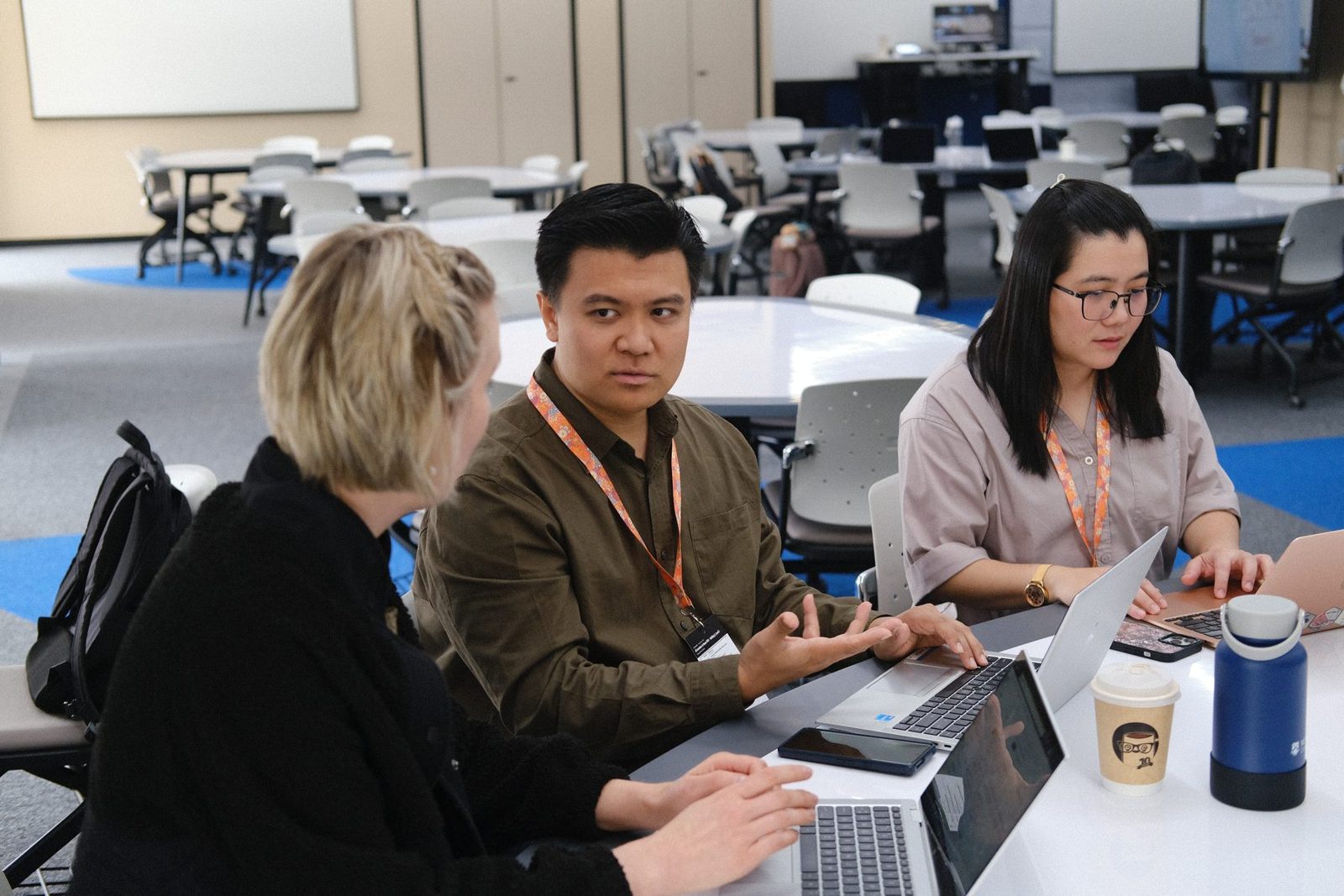
Time-series, volatility, causal-inference and machine-learning methods, and the computing to run them.
I am an econometrician. My methods include time-varying parameter VAR, BEKK-GARCH and nonparametric volatility tests, PLS-SEM, regression discontinuity, computational phylogenetics, topic modelling and image embeddings. I apply the same methods in each of the other seven domains on this site; the list of connections below shows where. I co-direct the Monash Complex Computational Modelling Laboratory with Professor Erniel B. Barrios (eighteen academic members, ten projects, more than ten PhD students) and led the capital proposal for its GPU workstations.
Applications in health and neuroscience include multiple time series models of brain connectivity as contagion, GPU-accelerated nonparametric tests on high-frequency EEG signals, and the SPARKLE workshop on mathematical modelling of infectious diseases (2026), run with the Peter Doherty Institute for researchers from 18 organisations.
42 items in this domain, of which 39 are interdisciplinary and also belong to other domains. Each is tagged with its other domains.
A. Khalim, N.H. & Barrios, E.B. IASC-ARS/CSAT Joint Meeting, NTU Taipei.
A. Khalim, N.H., Lee, H.C. & Phipps, M.E. In M. Schrepp & M. Rauterberg (Eds.), HCI International 2025 – Late Breaking Papers, Part XII (LNCS 16342). Springer.
A. Khalim, N.H. et al. HCI International 2025, Gothenburg. Session Chair: Computational Approaches to Cultural Heritage.
A. Khalim, N.H. TransformED 2025, Monash University.
A. Khalim, N.H. et al. IASPM-SEA/IAPMS Joint Conference, Bangkok.
Titles and domains only. All working papers by domain
GPU-accelerated nonparametric tests for high-frequency EEG signals; extends the contagion view of brain connectivity.
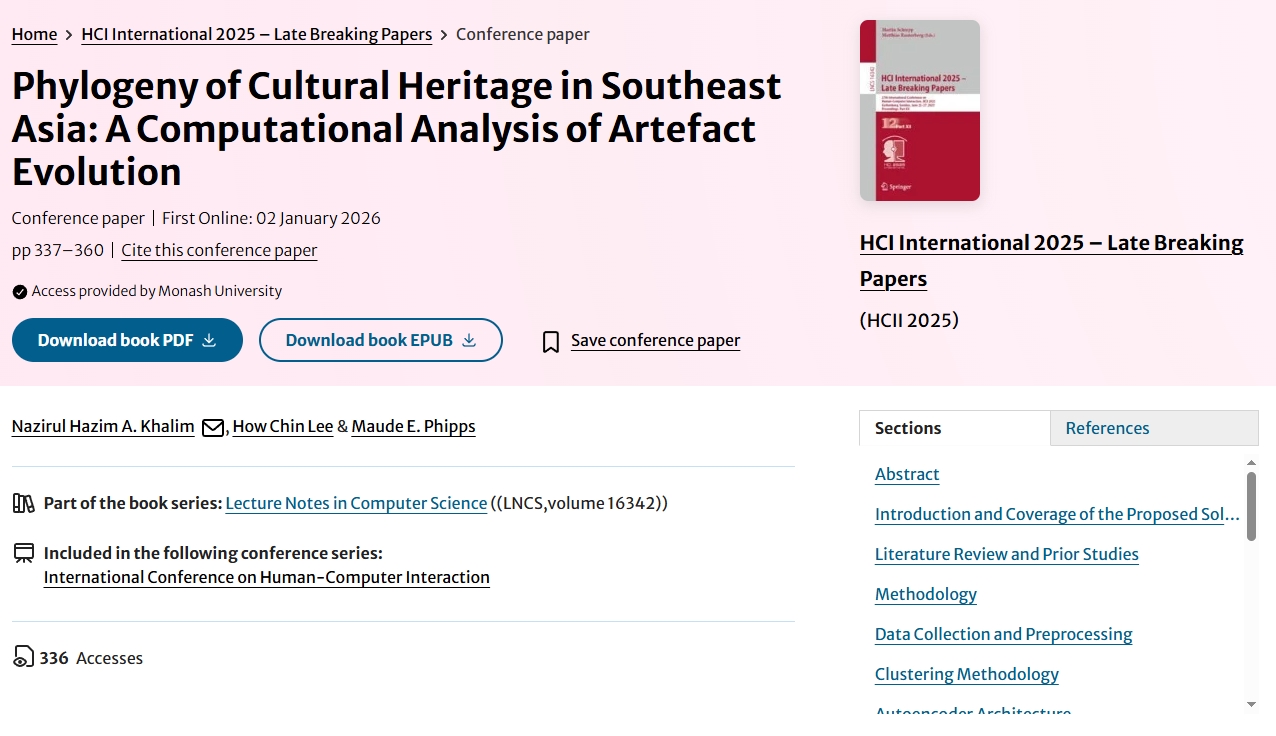
Computational phylogenetics applied to keris, limar and songket textiles, wayang kulit and destar, using CLIP and DINOv2 image representations and heritage features.
Computational text analysis, engagement modelling and network structure applied to YouTube comment discourse on P. Ramlee; audience studies of re-arrangement and reception; aim of establishing P. Ramlee studies as a scholarly field in Malay film studies.
Official Research Partner of the Malaysian Philharmonic Orchestra: time-series modelling of concert programming and audience engagement to inform orchestral scheduling and audience development. Wrote the exhibition posters for Madu Tiga ‘Live’ (January 2026).
Estimates how generative-AI announcements transmit volatility to global energy markets, with collaborators in Malaysia and Central Asia.
Netnography and sentiment analysis of controversy and dissent around Southeast Asian popular music on social media.
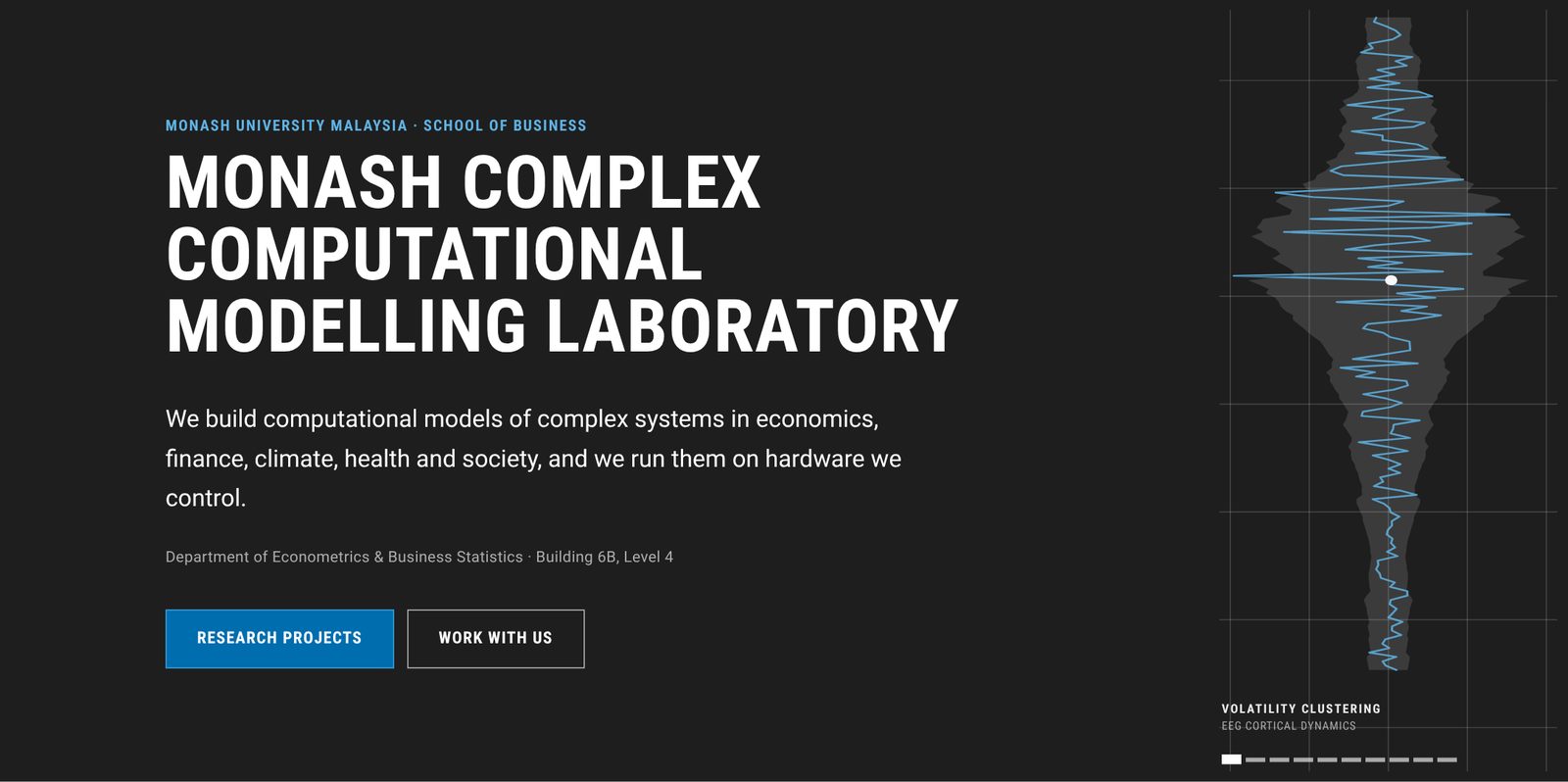
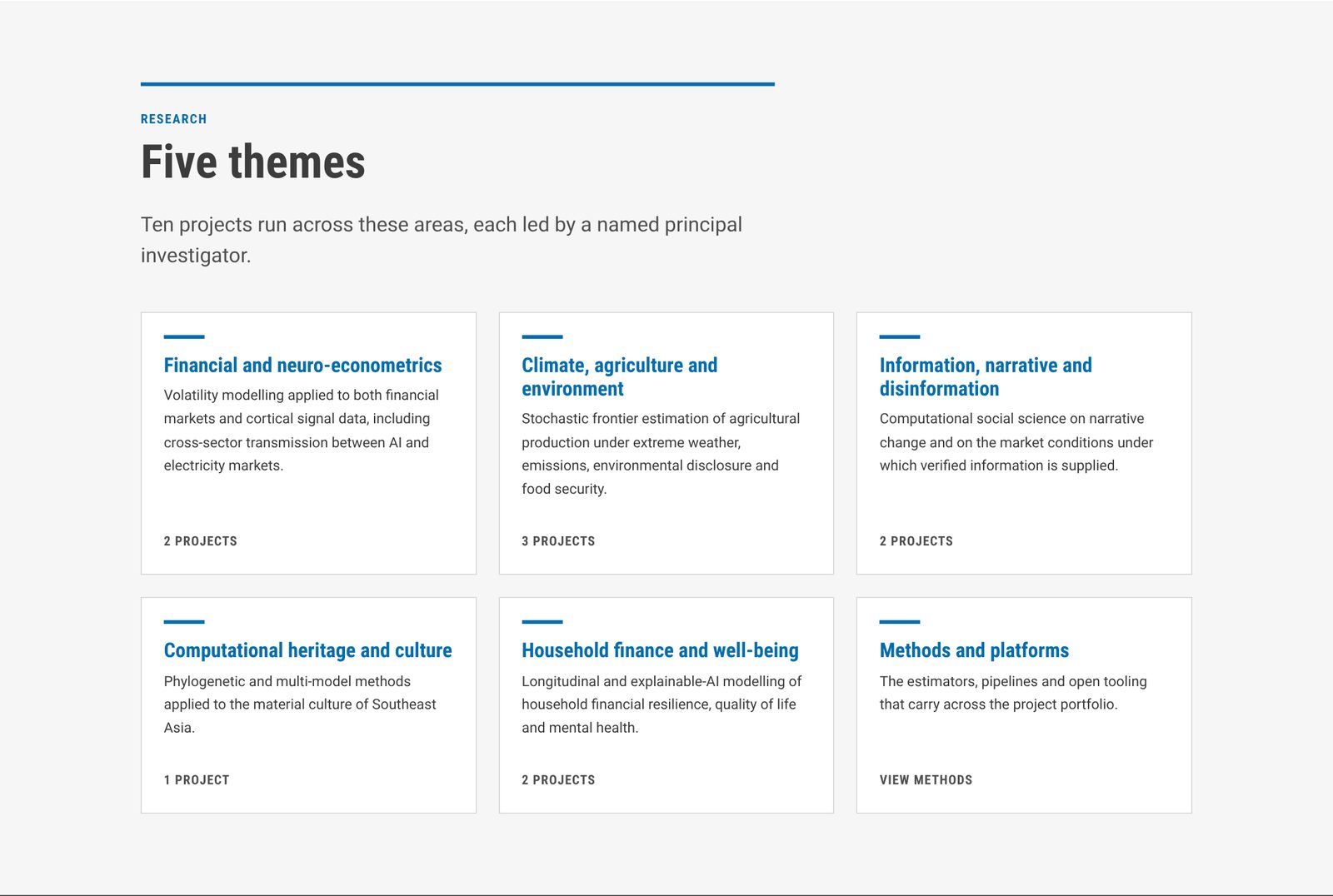
School of Business research entity approved in October 2026 under the campus AI Technology and Applications Research Network, co-directed with Professor Erniel B. Barrios. Eighteen academic members, ten projects across six themes, more than ten PhD students. Capital grant for four on-premise GPU workstations (RM 225,000, of which RM 146,000 from the campus allocation).
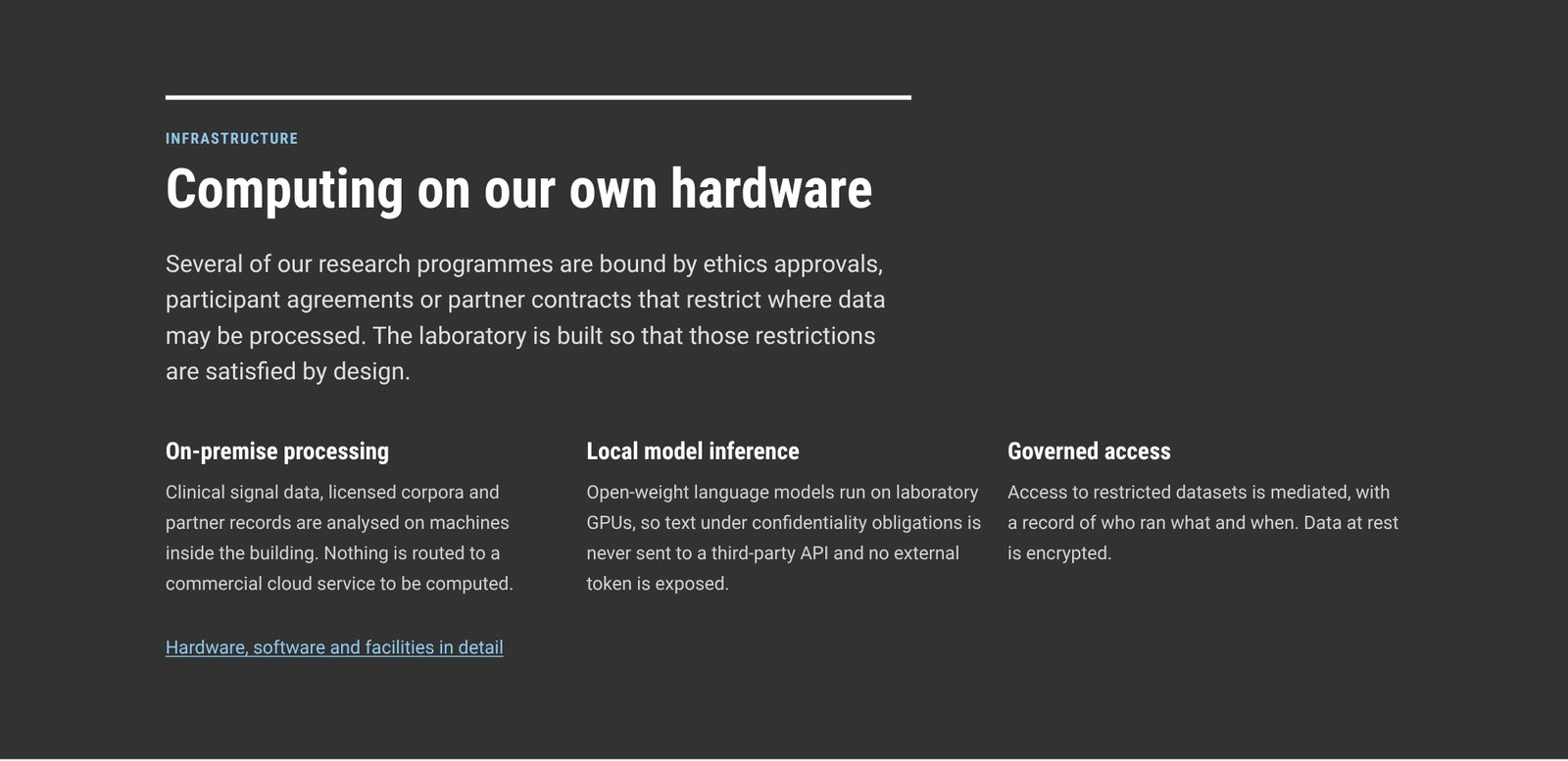

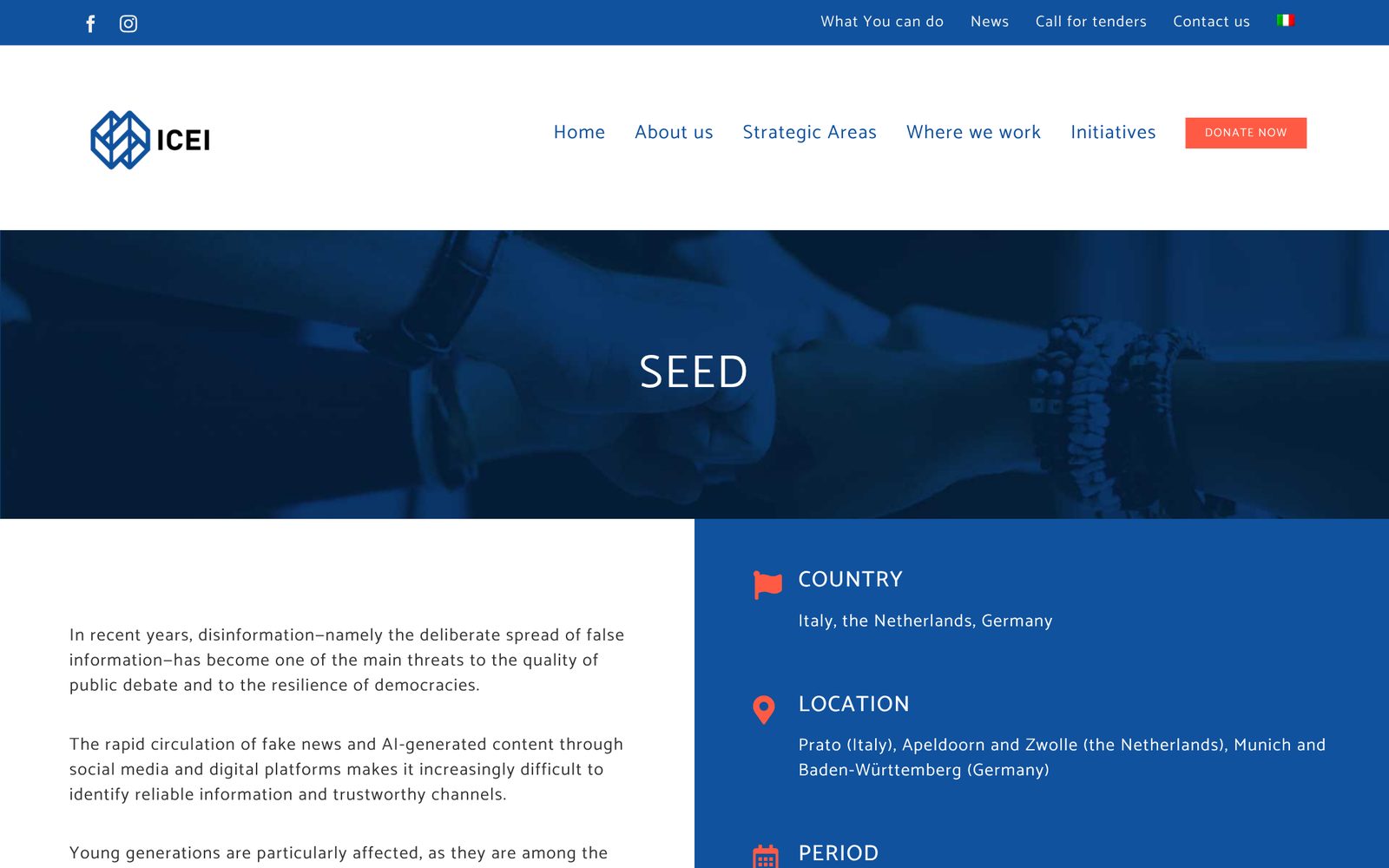
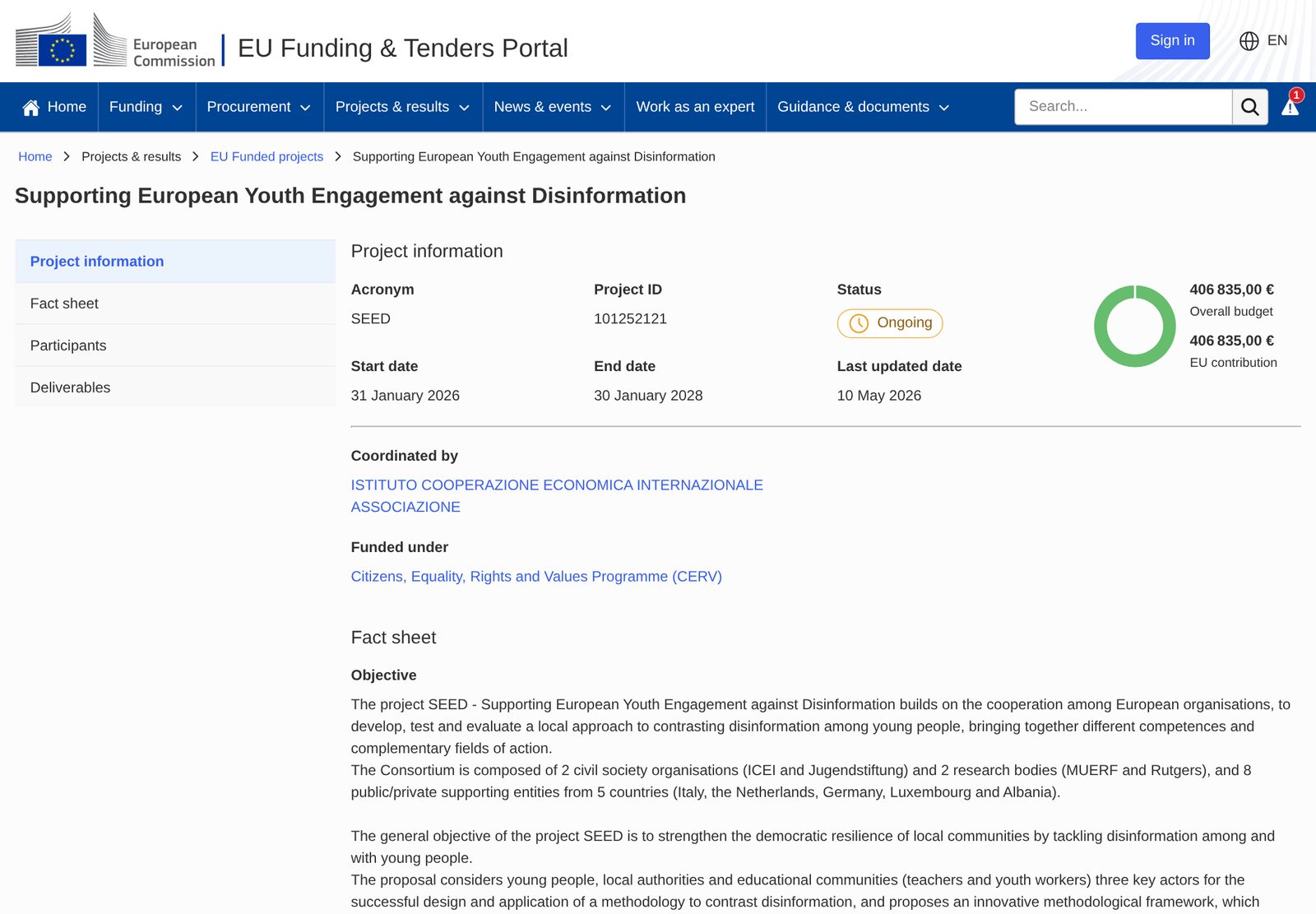
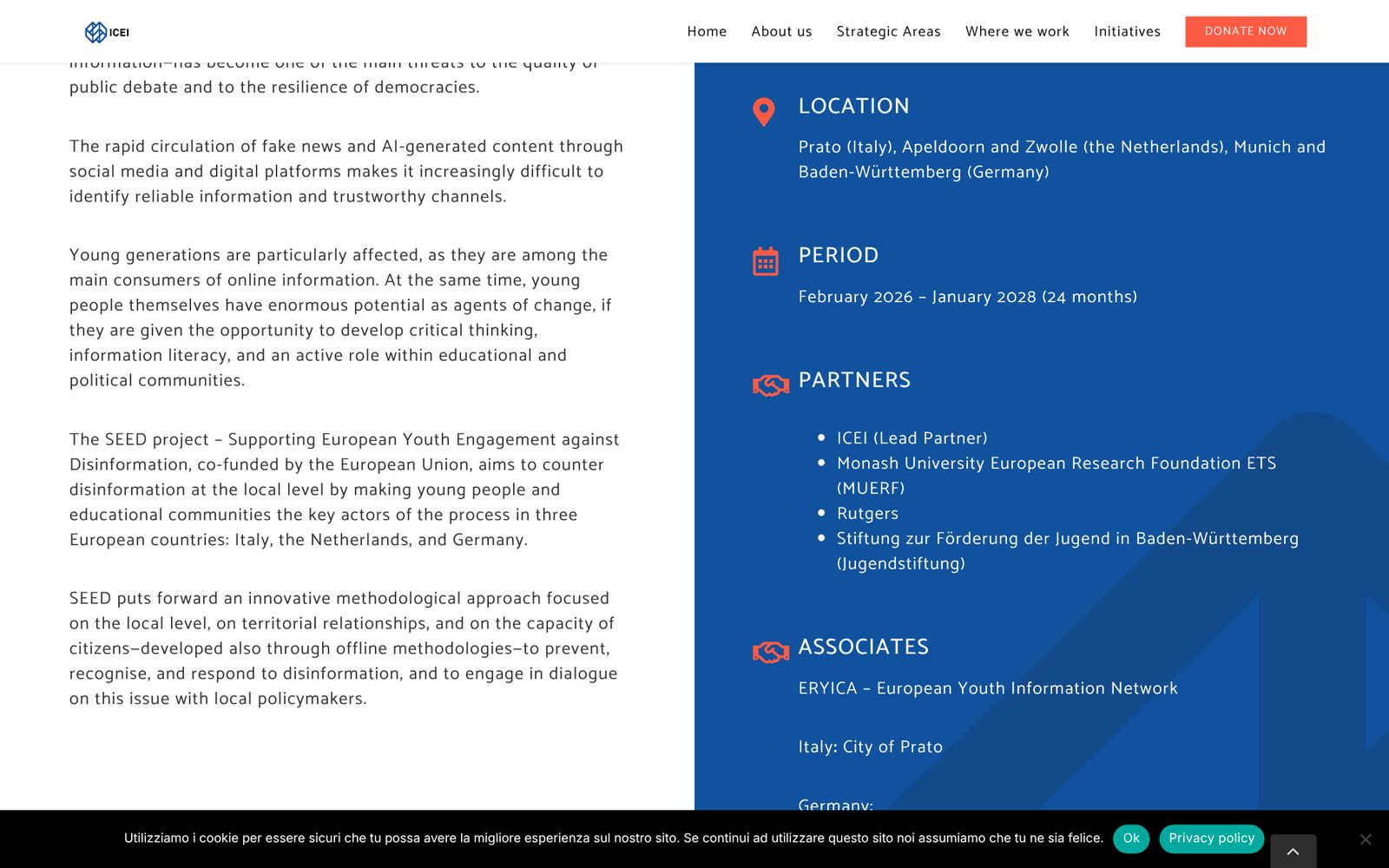
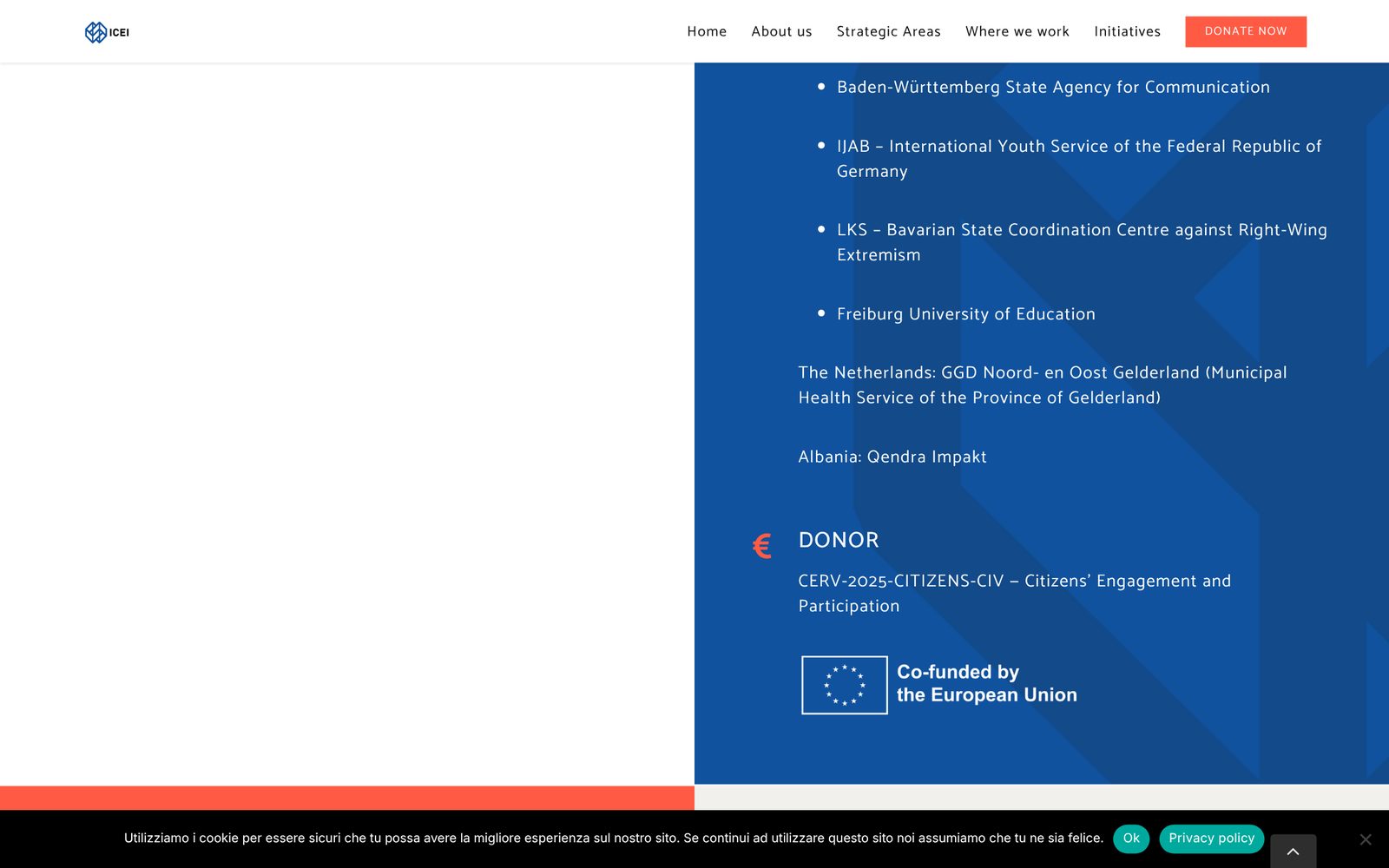
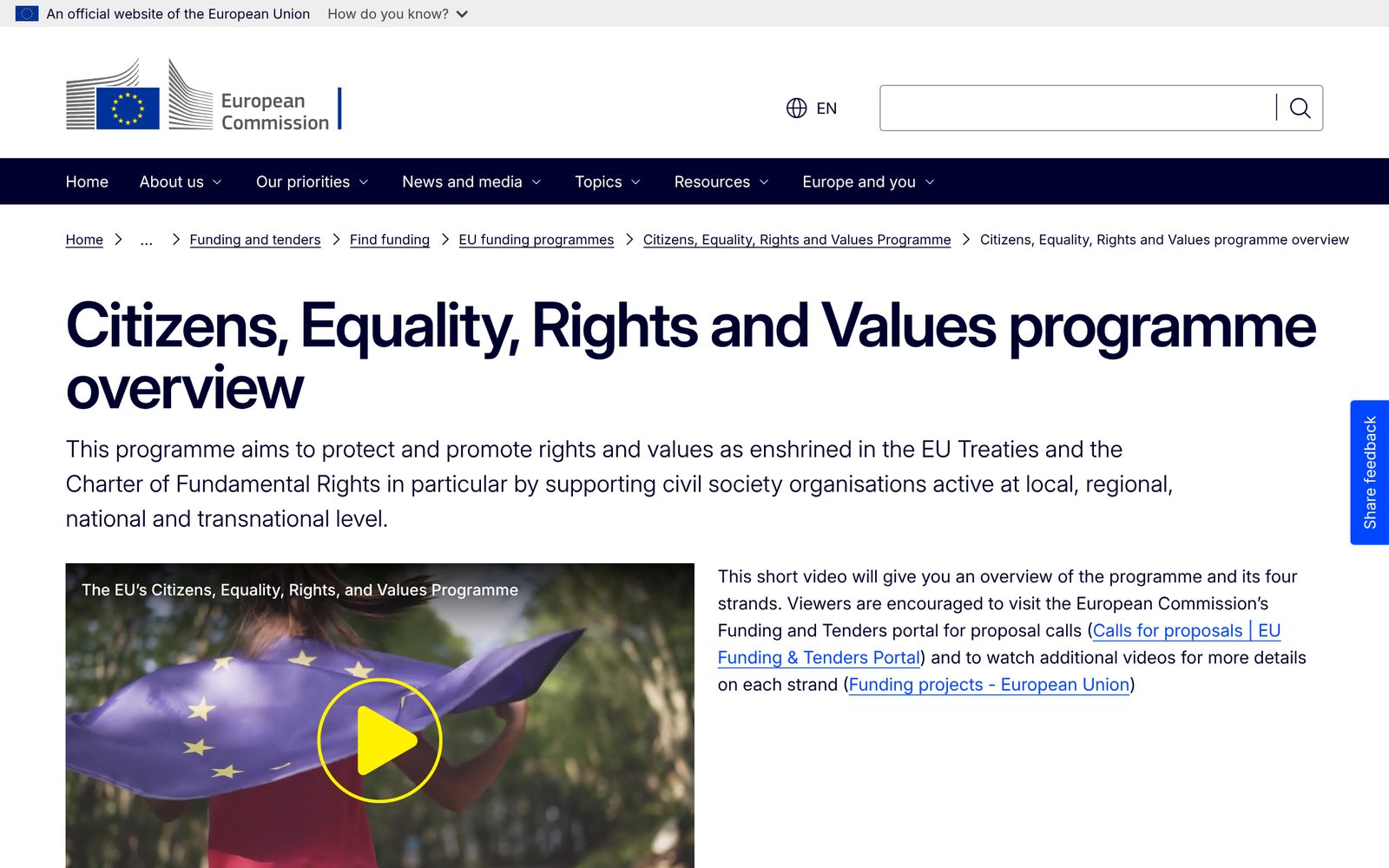
Supporting European Youth Engagement against Disinformation (SEED) strengthens the democratic resilience of communities by involving young people in countering disinformation, in Italy, the Netherlands and Germany. It maps local vulnerabilities and “trust networks”, trains young people and practitioners to recognise and respond to disinformation, and develops counter-disinformation labs and local strategies with policymakers. ICEI leads; MUERF, Rutgers and Jugendstiftung are partners. Co-funded by the European Union under CERV-2025-CITIZENS-CIV, Citizens’ Engagement and Participation.
Duration: February 2026 to January 2028 (24 months). Places: Prato (Italy); Apeldoorn and Zwolle (the Netherlands); Munich and Baden-Württemberg (Germany). Direct beneficiaries: young people aged 16 to 24, youth workers and local policymakers.
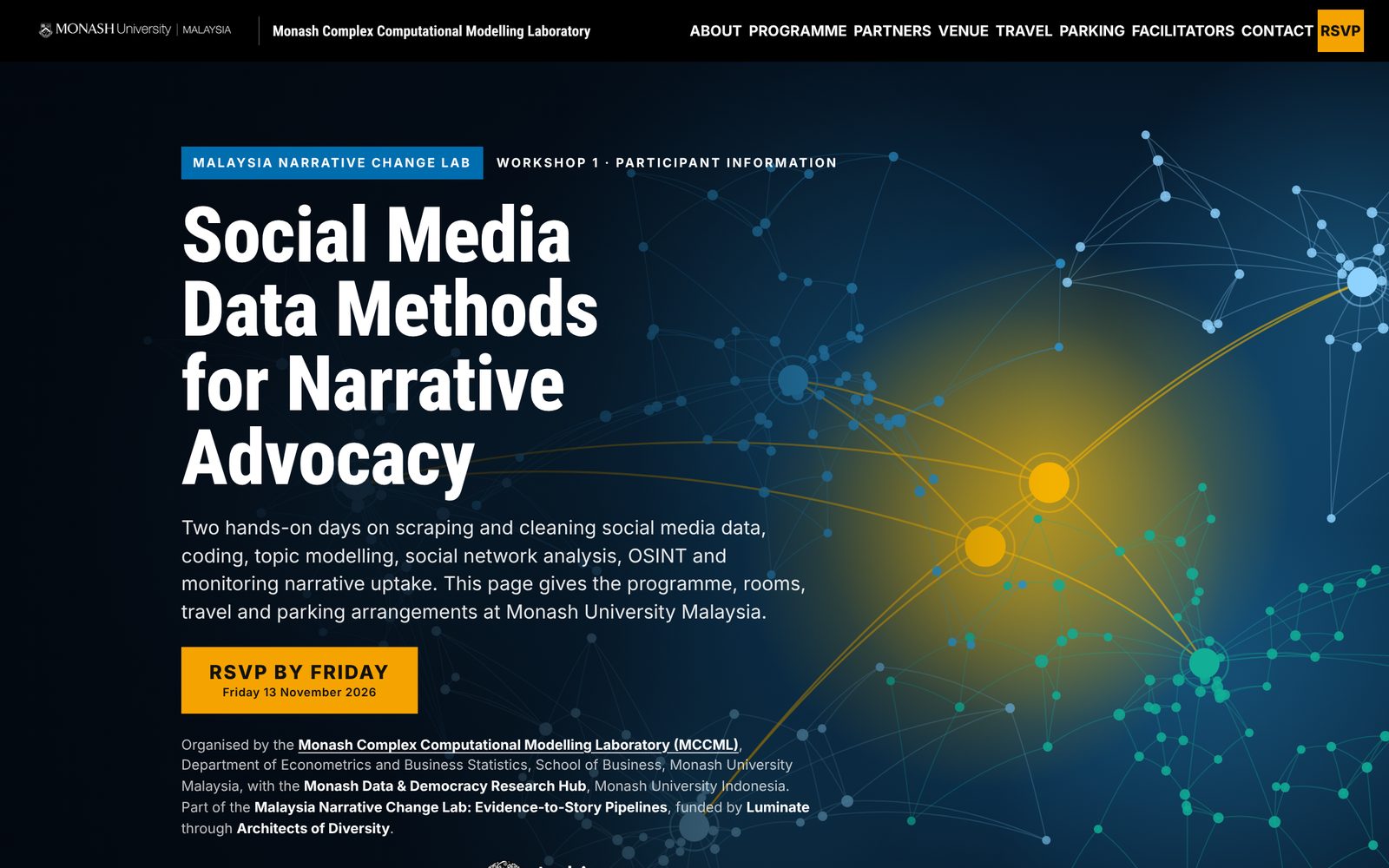
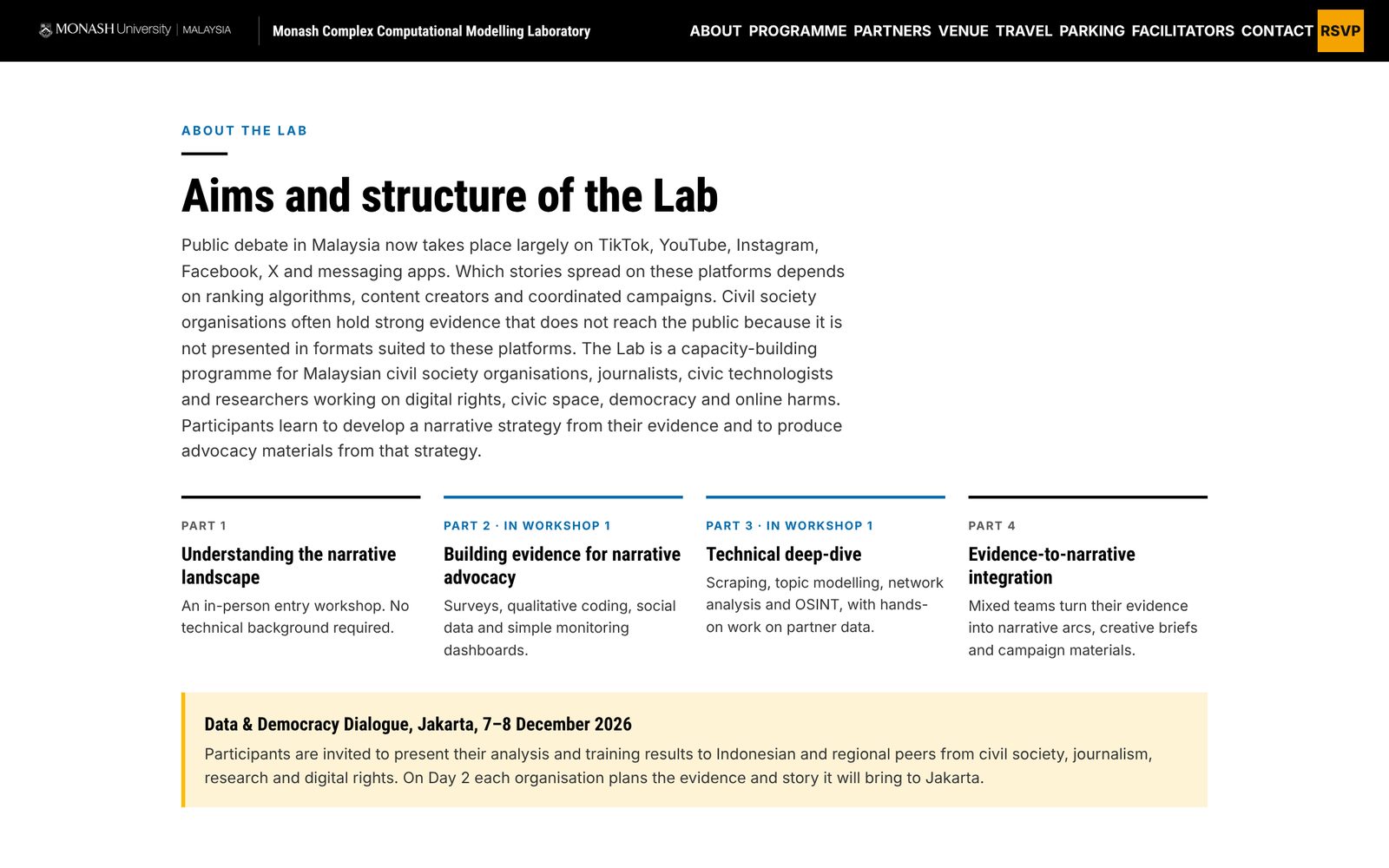
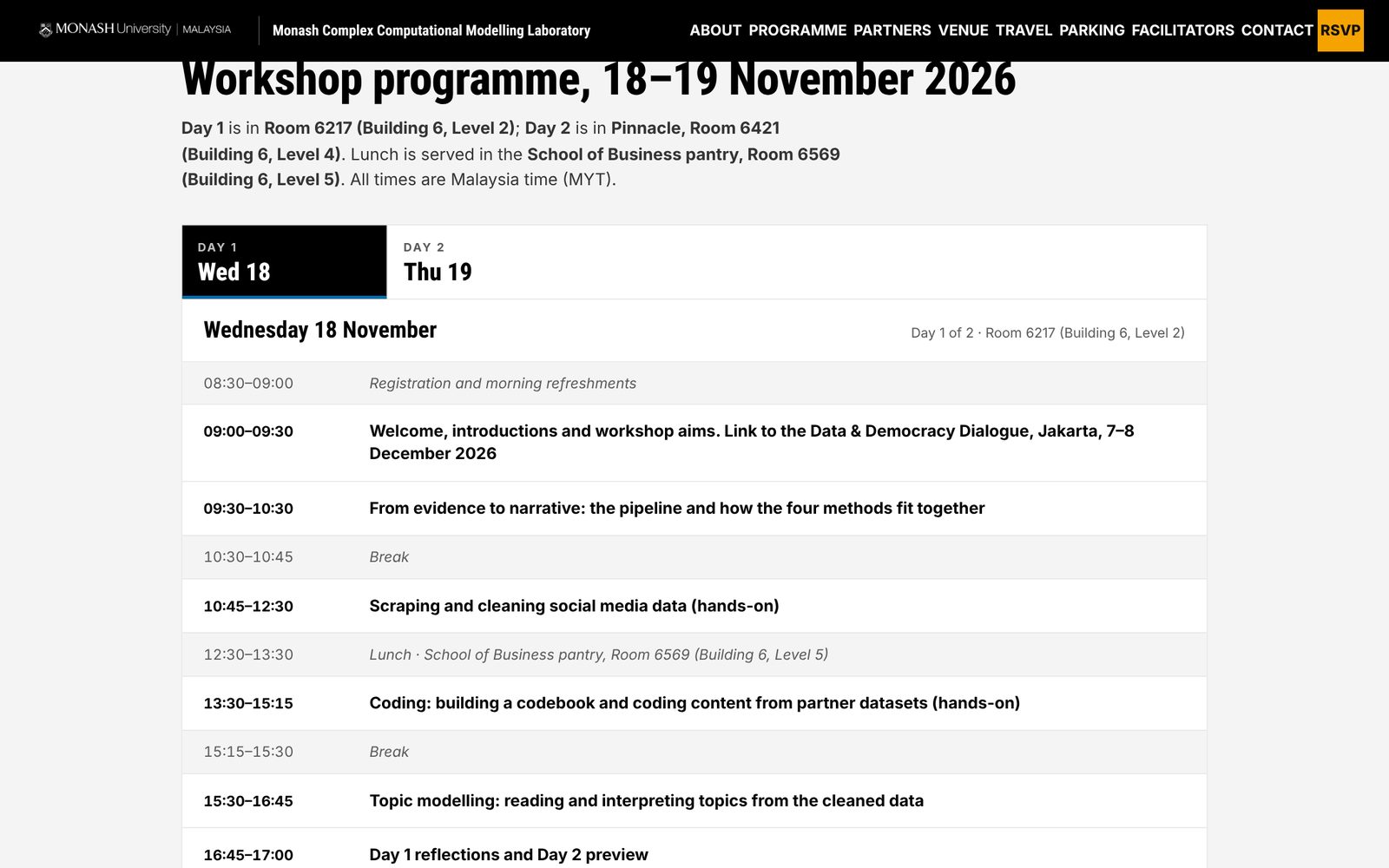
Trains civil society organisations and journalists in survey design, data collection, topic modelling and network analysis, and in turning evidence into stories. A four-part programme delivered with Monash University Indonesia; Workshop 1 (social media data methods) runs on 18 and 19 November 2026 at Monash University Malaysia. Funded by Luminate through Architects of Diversity.
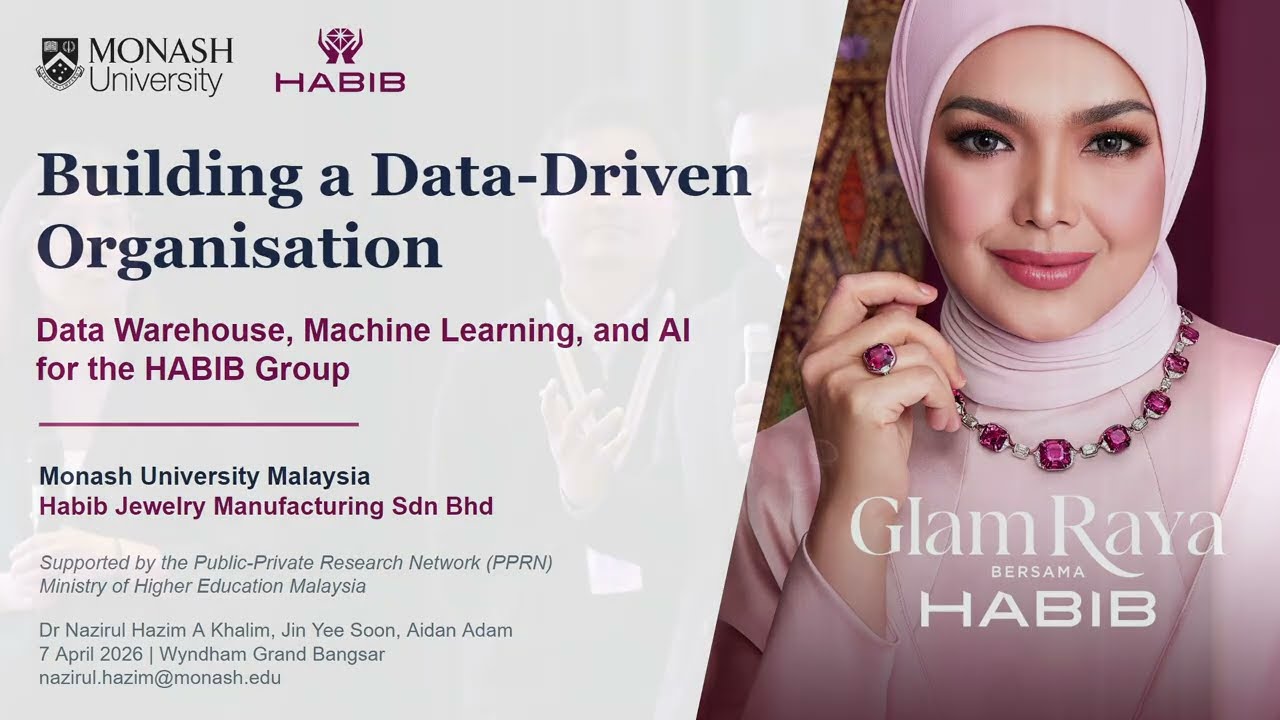
Integrated the company’s data sources into one database, automated data preparation and reporting, built machine-learning demand forecasts and set up dashboards with automated stock alerts by product category and branch. Aged-stock report preparation cut from 5 hours to 12 seconds; demand-forecast error (MAPE) 6.7% at commodity-group level; 16 KPIs formalised; about 120 employees trained in data literacy. HABIB paid 70% of the project cost.
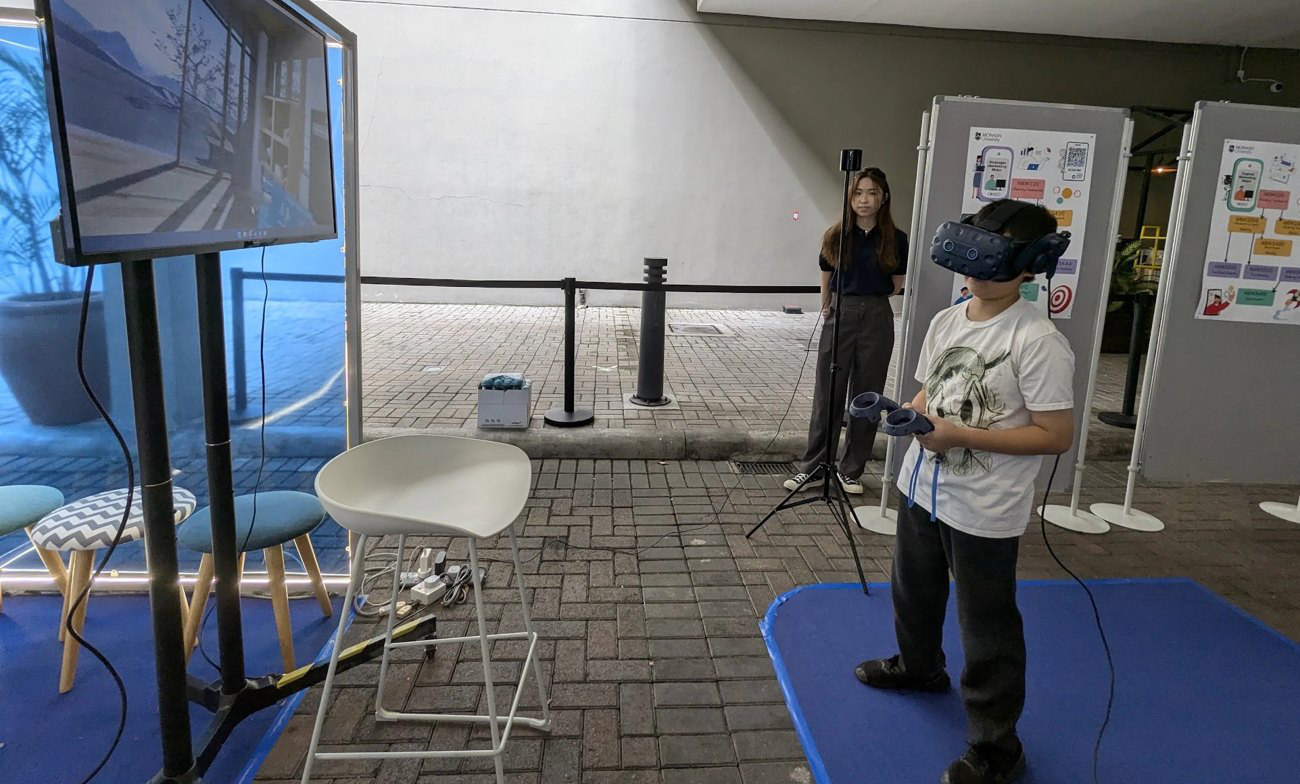
Immersive learning of OLS, projections and high-dimensional data, with UNSW Sydney and the School of Engineering. Semester 1 2025 pilot with 37 students across ETW1001, ETW2510, ETW3483 and ETW3510 (MUHREC project 45560). Follows a School Learning Innovation Fund award (2024).
Quantifies the effect of disinformation on electoral integrity, civil liberties and participation across ASEAN, with comparative ecosystems for Malaysia, Indonesia and the Philippines. Selected from 55 submissions; cross-campus collaboration (Monash Malaysia, Australia and Indonesia).
Full project title: ASEAN Disinformation Index: Analyzing and Mitigating the Impact of Malicious Information on Democracy in Southeast Asia.
Five teaching tools built in the Department of Econometrics & Business Statistics, Monash University Malaysia, and shown at the 2026 Innovative Education Showcase (28 Sep – 2 Oct, Library Exhibition Space). Each was written for a unit taught in the department and is used in one. The virtual reality work was funded by the School’s Learning Innovation Fund (2024) and a campus Learning & Teaching Grant (RM 24,000, 2025–26); the showcase drew 148 feedback responses.
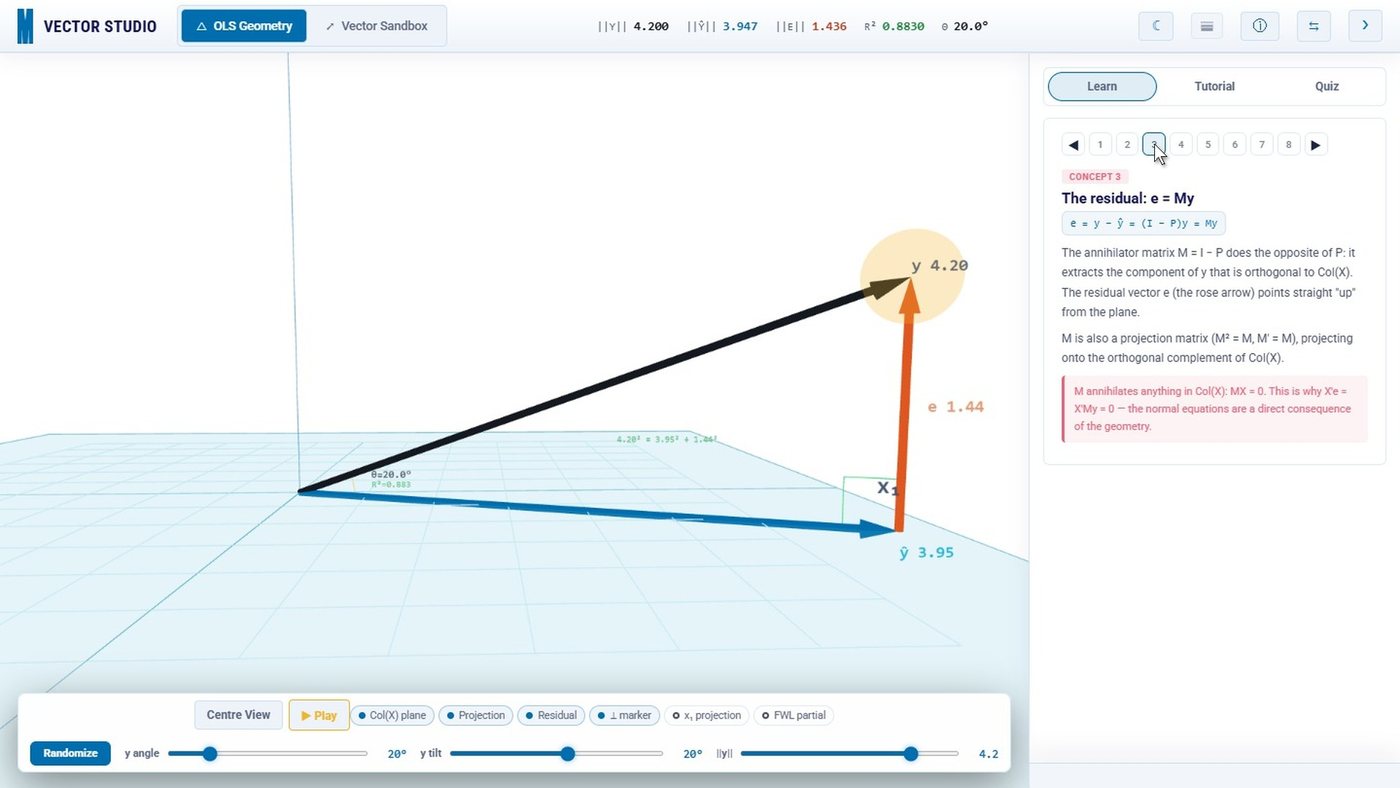
Vector Studio draws the geometry of least squares in 3D, and the scene can be rotated by hand. When y is moved, its projection and residual update with it. It has fourteen concepts with a scene for each, a guided tutorial, a quiz and a Sandbox for building vectors, planes and operations from scratch.
Built after the Semester 1 2025 virtual reality pilot (37 students across ETW1001, ETW2510, ETW3483 and ETW3510; MUHREC project 45560), in which ease of use rated about 3.0 of 5 because of the headset. Shown at the Innovative Education Showcase, 28 September – 2 October 2026.
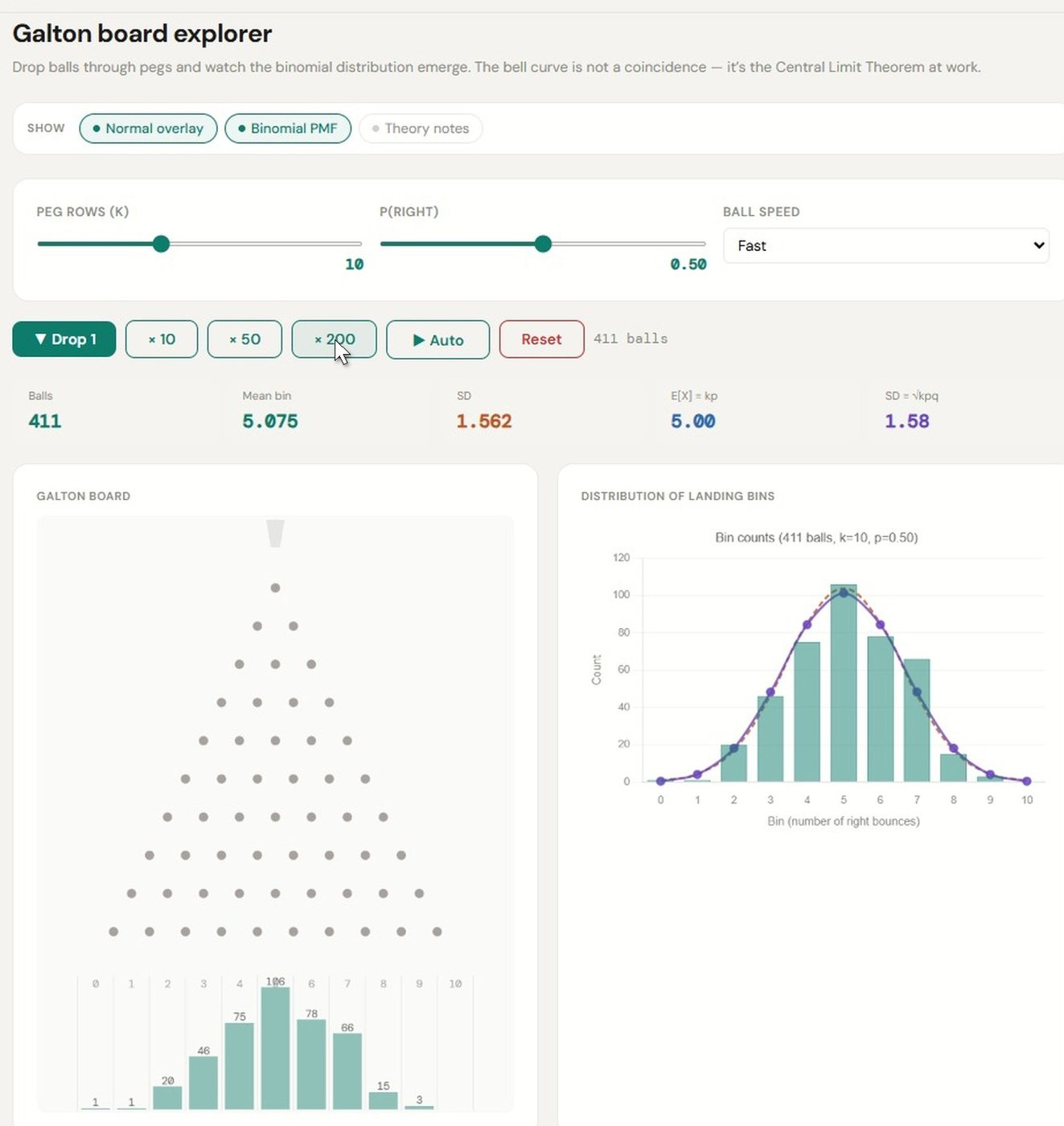
166 interactive explorers for the teaching of Econometrics and Business Statistics, Business Analytics and Actuarial Analytics. Each is an interactive page on which every figure recomputes when an input is changed.
Used in BEW4010 Quantitative research methodology and demonstrated to public visitors at Monash Discovery Day. Accepted as an oral presentation at TransformED 2026.
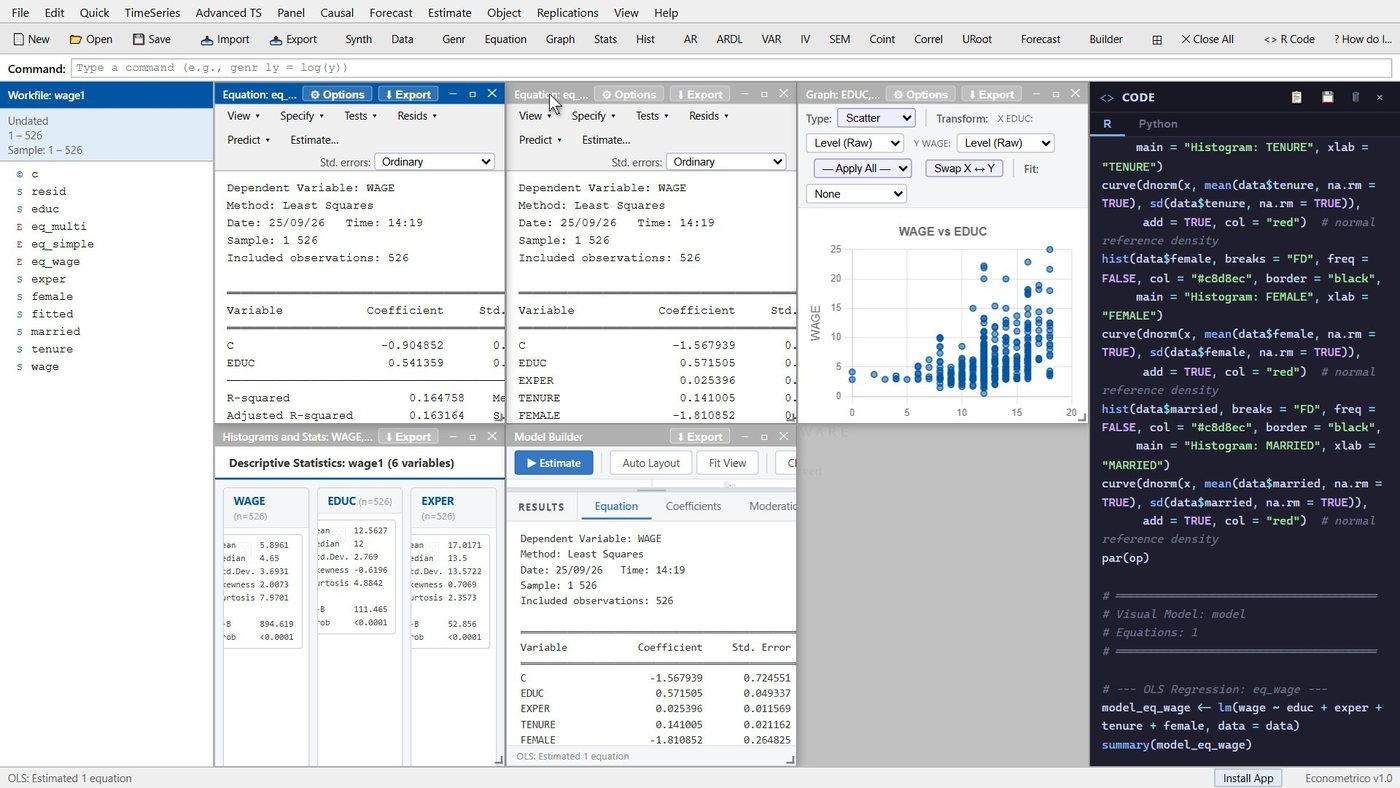
Econometrico runs econometric analyses through menus and dialogs. Every analysis is written out as both an R script and a Python script as the student works.
83 procedures and 48 datasets, with R and Python code for each analysis. Used in ETW2510 Introduction to econometrics and BEW4010 Quantitative research methodology.
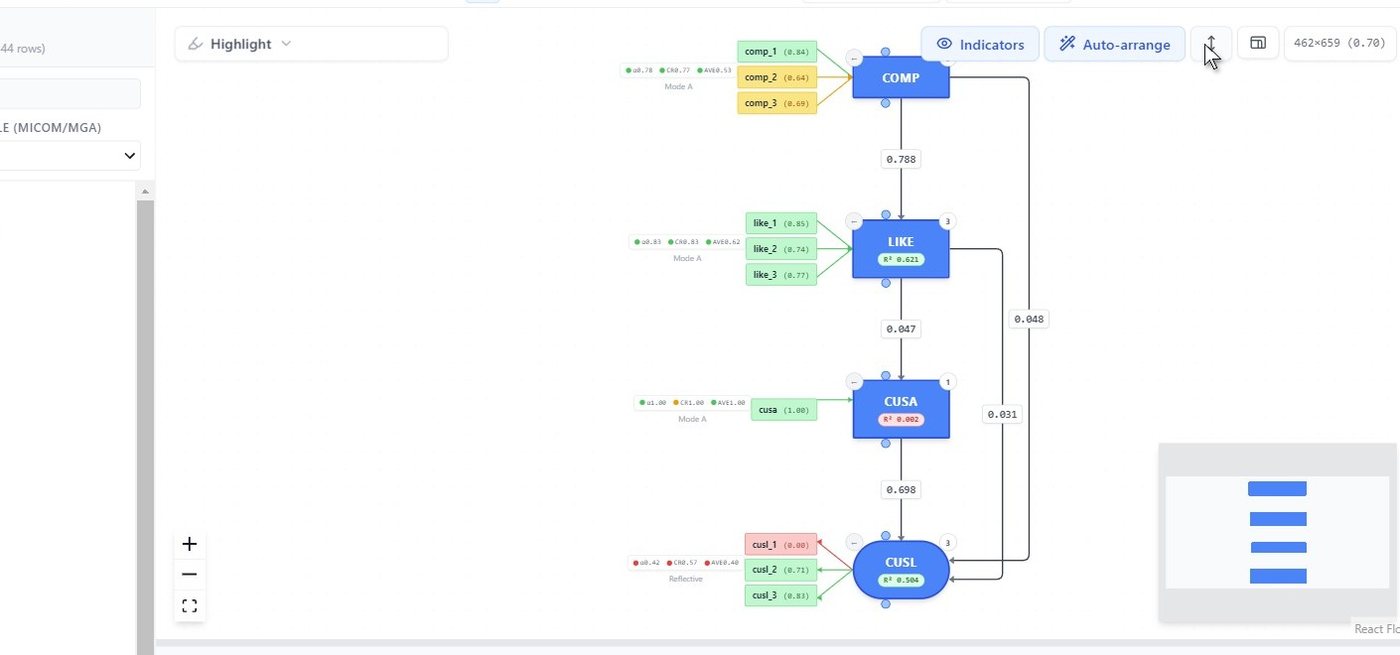
OSEM is a free application for PLS-SEM and CB-SEM. The model is drawn on a canvas and estimated in R on the user’s own machine. It has no licence fee and no cap on records, and it runs offline.
Free, with a 14-module course and no cap on records, so every student can estimate the full model on an ordinary laptop. Used in ETW2420 Survey methods and managerial statistics.
Guest lecture for Research Issues and Methodology: topic modelling, embeddings and large-language-model pipelines for social research.
ETW2510 Statistical Modelling for Decision Making (introductory econometrics); ETW3420 Forecasting Theory and Applications (time series); BEW4010 Quantitative Research Methodology (honours); BEW3110 Work Experience Program (about 300 students per cohort).
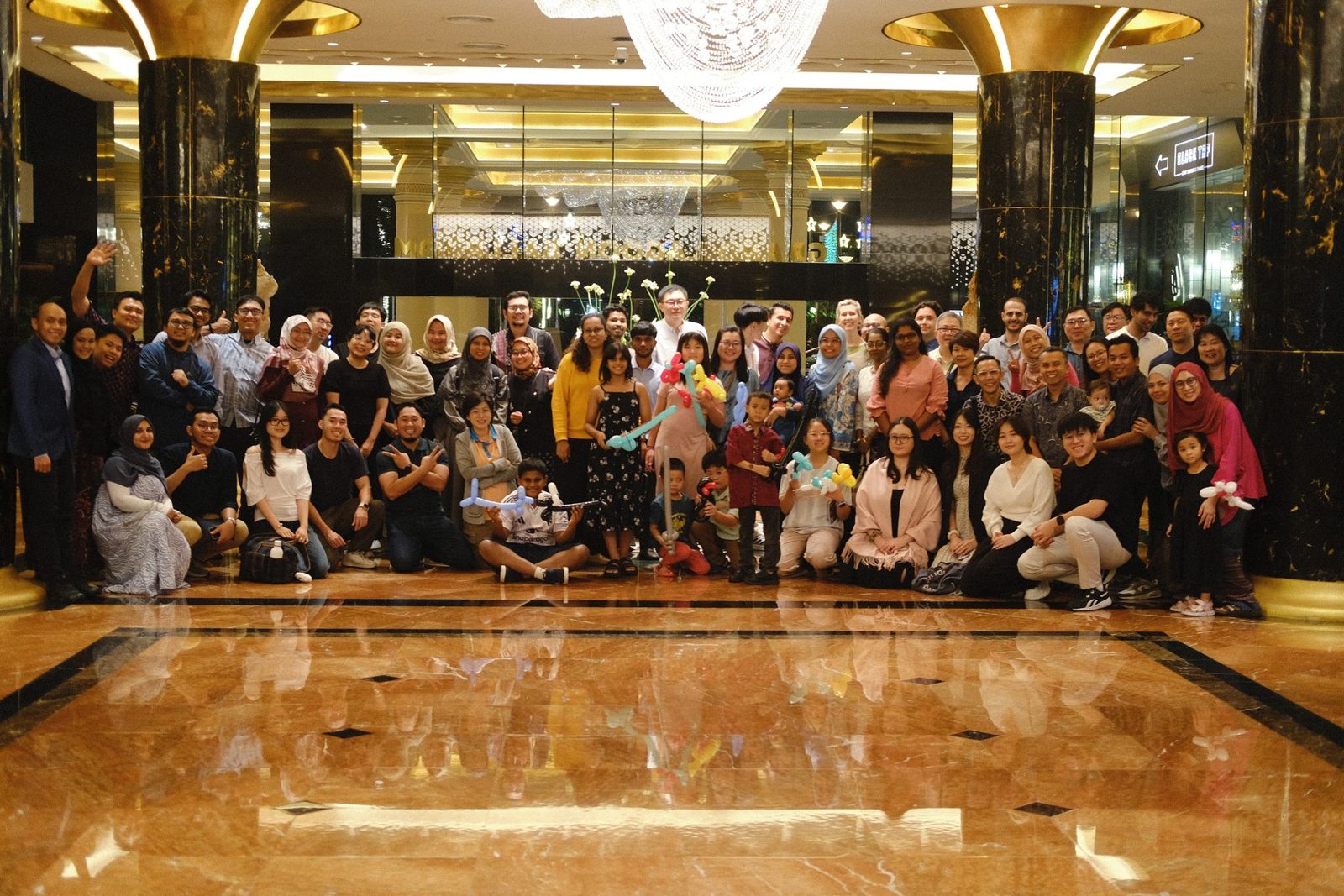
Five-day hands-on workshop at Monash University Malaysia, organised with SPARKLE and the Peter Doherty Institute; about 40 participants from 18 organisations, including the Ministry of Health’s Institute for Medical Research.
Oral presentation (accepted).
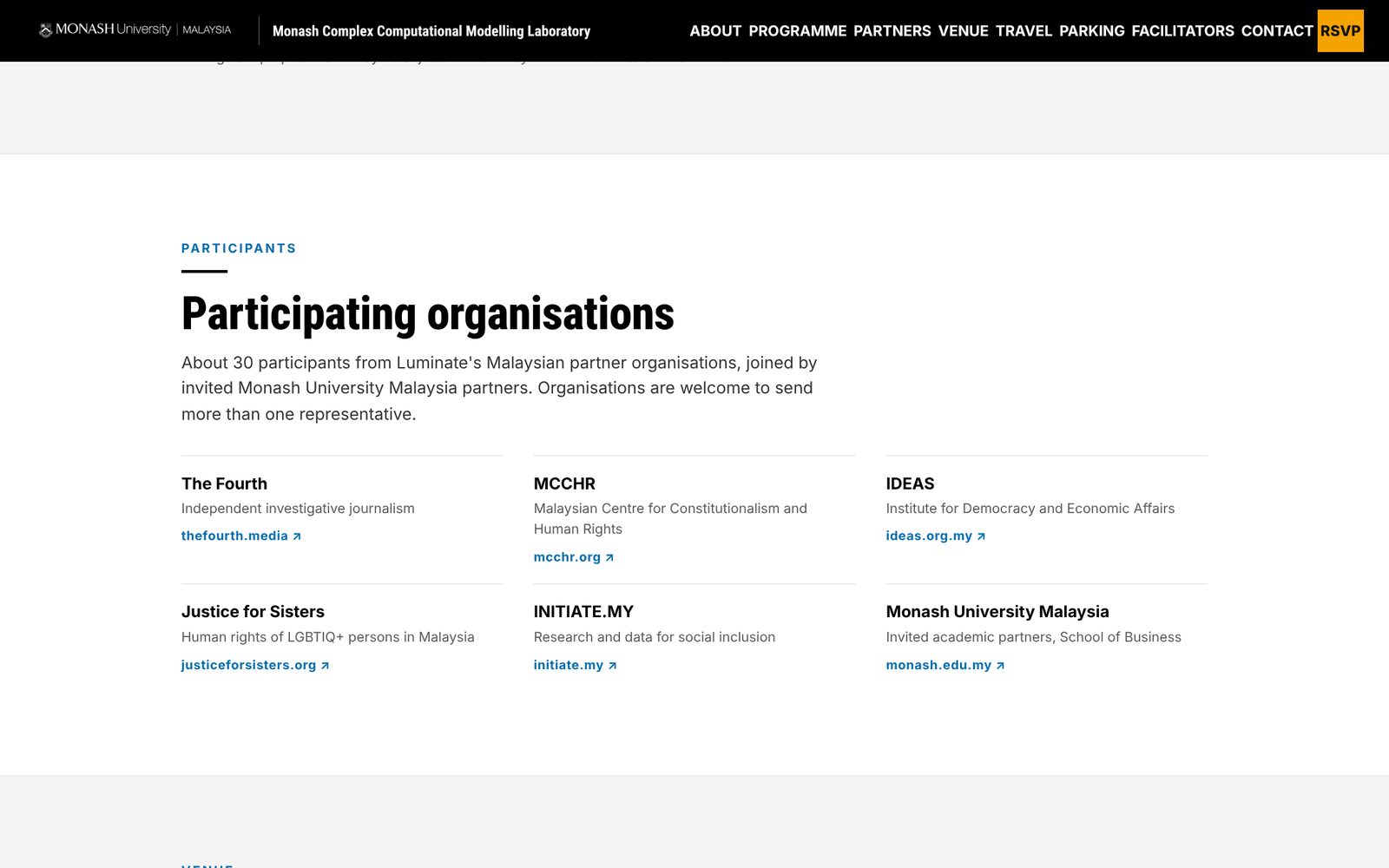
Two hands-on days (18 and 19 November 2026) for about 30 participants from Malaysian civil society organisations on scraping and cleaning social media data, coding, topic modelling, social network analysis, OSINT and monitoring narrative uptake. Organised by the Monash Complex Computational Modelling Laboratory with the Monash Data & Democracy Research Hub, as part of the Malaysia Narrative Change Lab.
Poster.
Oral presentation.
Consulting expert on national entrepreneurship ecosystem policy, including PLS-SEM capability transfer and evidence-based policy advice for the Bumiputera economic agenda.
Work in this domain that also belongs to another domain.