Modelling the Impact of Generative AI Breakthroughs on Stock Volatility in Asian Equity Markets
A. Khalim, N.H. EAEA 20th International Convention, Manila. Supervised work with Fawzia Hassan (honours).
Also inAI
Time-series and causal models of monetary policy, market volatility and inequality of opportunity.
I work on financial and monetary econometrics and on the economics of inequality. In studies of Malaysia's dual banking system I estimate how monetary policy is transmitted through Islamic and conventional banking channels. In my volatility work I estimate how generative-AI announcements affect Asian equity markets and global energy markets, with TVP-VAR, BEKK-GARCH and nonparametric volatility tests. A third line of work uses regression-discontinuity and natural-experiment designs to show how institutional design produces inequality of opportunity, with tournament seeding in professional tennis as the case.
I have been a member of the Econometric Society since 2015 and of the International Statistical Institute since 2014, and I supervised the honours thesis on GenAI news and stock market volatility presented at EAEA 2025.
20 items in this domain, of which 15 are interdisciplinary and also belong to other domains. Each is tagged with its other domains.
A. Khalim, N.H. EAEA 20th International Convention, Manila. Supervised work with Fawzia Hassan (honours).
A. Khalim, N.H. IASC-ARS, Sydney.
Nair, M.S., Ahmed, P.K., Lee, C., Vaithilingam, S. et al. [incl. A. Khalim, N.H.]. Final Report (Phase 1). Economic Planning Unit, Prime Minister’s Department, Malaysia.
Titles and domains only. All working papers by domain
Estimates how generative-AI announcements transmit volatility to global energy markets, with collaborators in Malaysia and Central Asia.
Honours thesis; paper at EAEA 2025.
Doctoral thesis.
Consulting expert on national entrepreneurship ecosystem policy, including PLS-SEM capability transfer and evidence-based policy advice for the Bumiputera economic agenda.
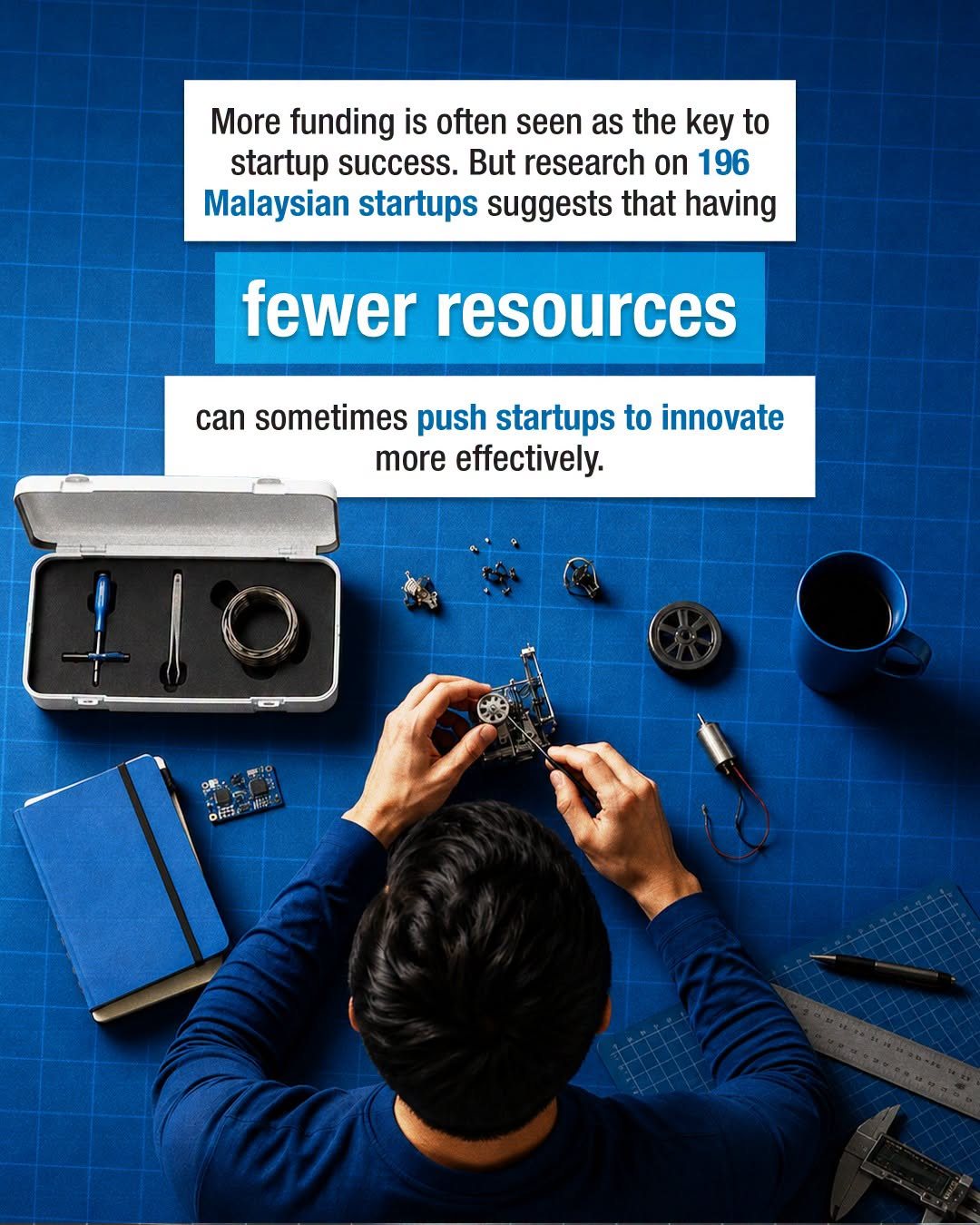
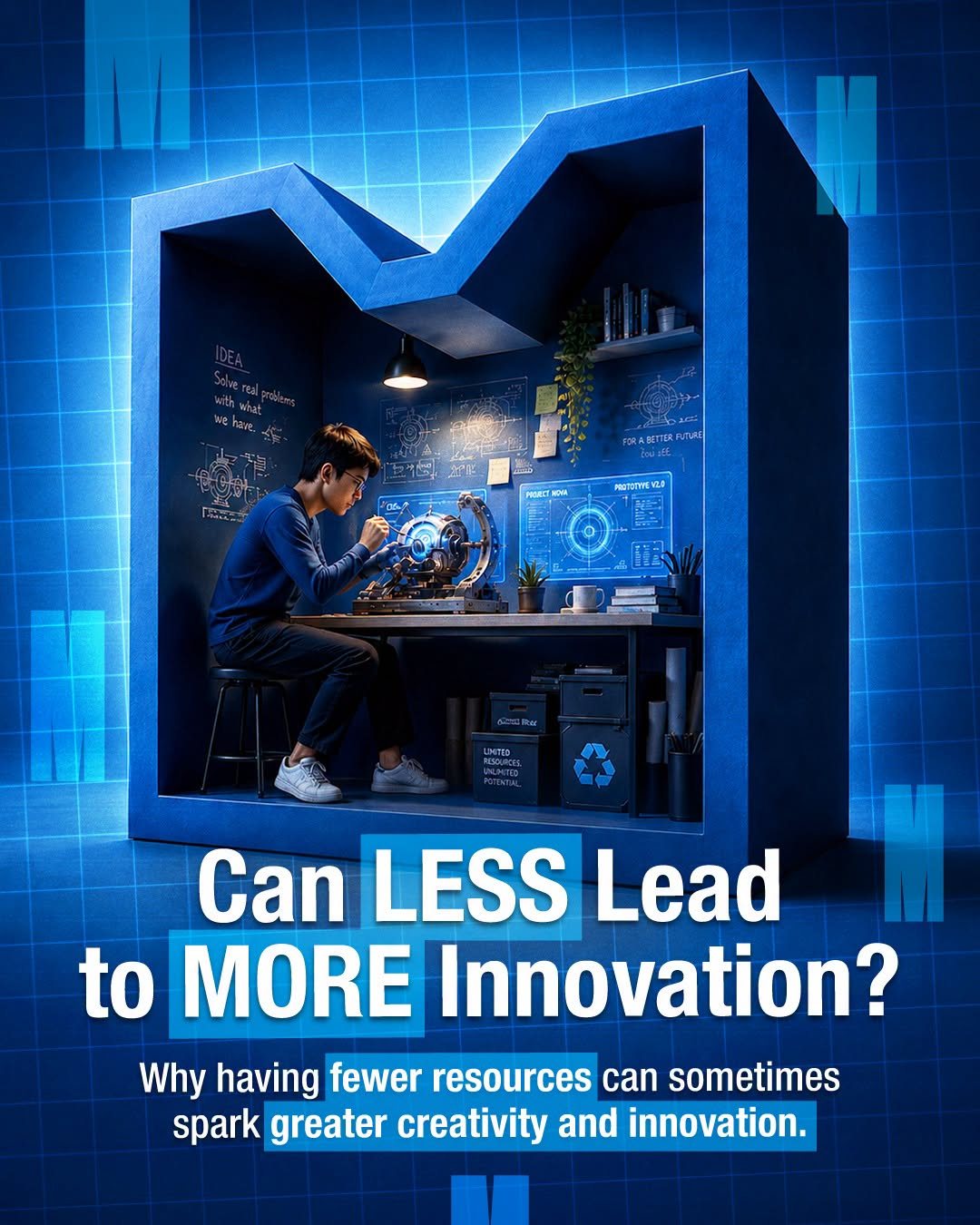
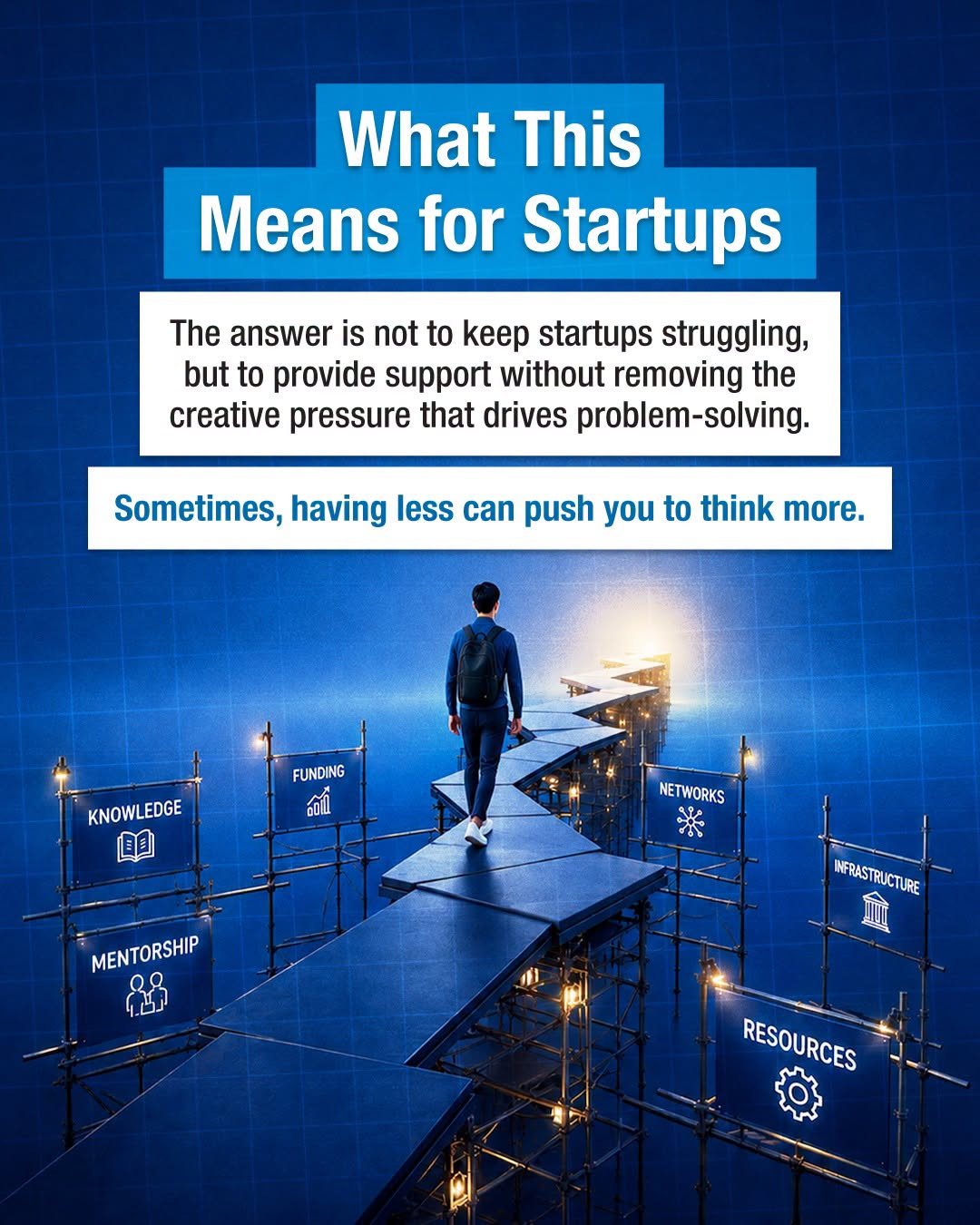
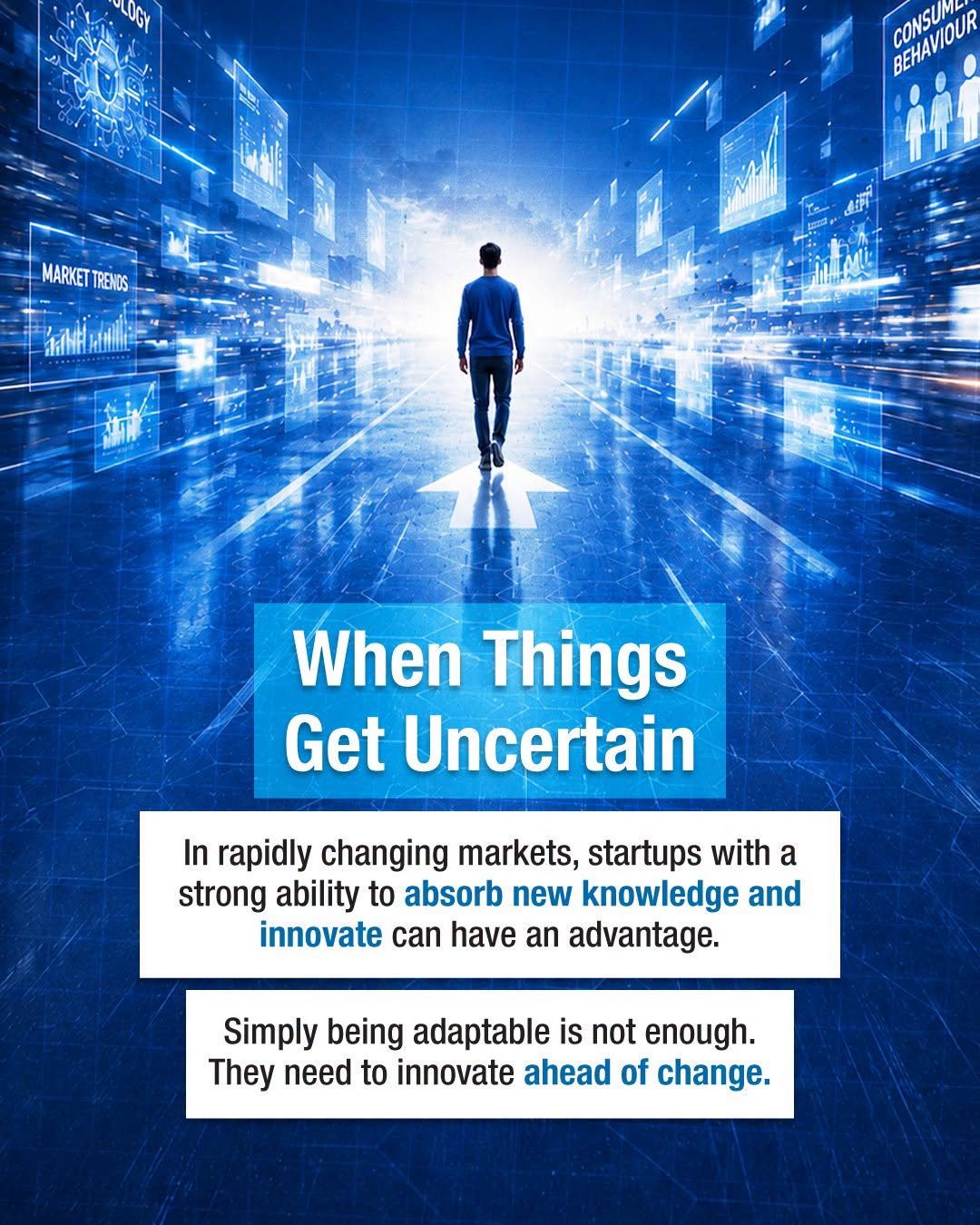
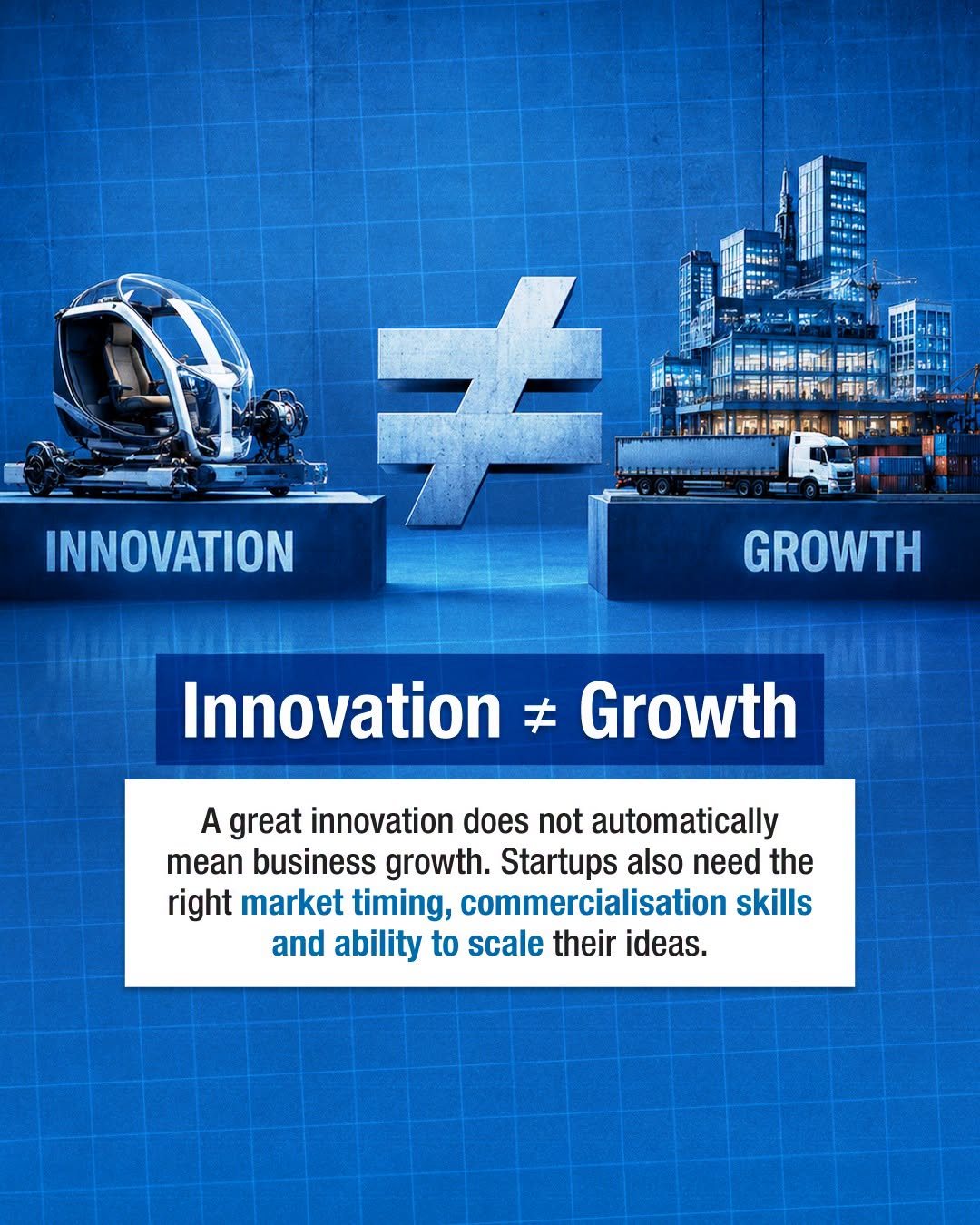
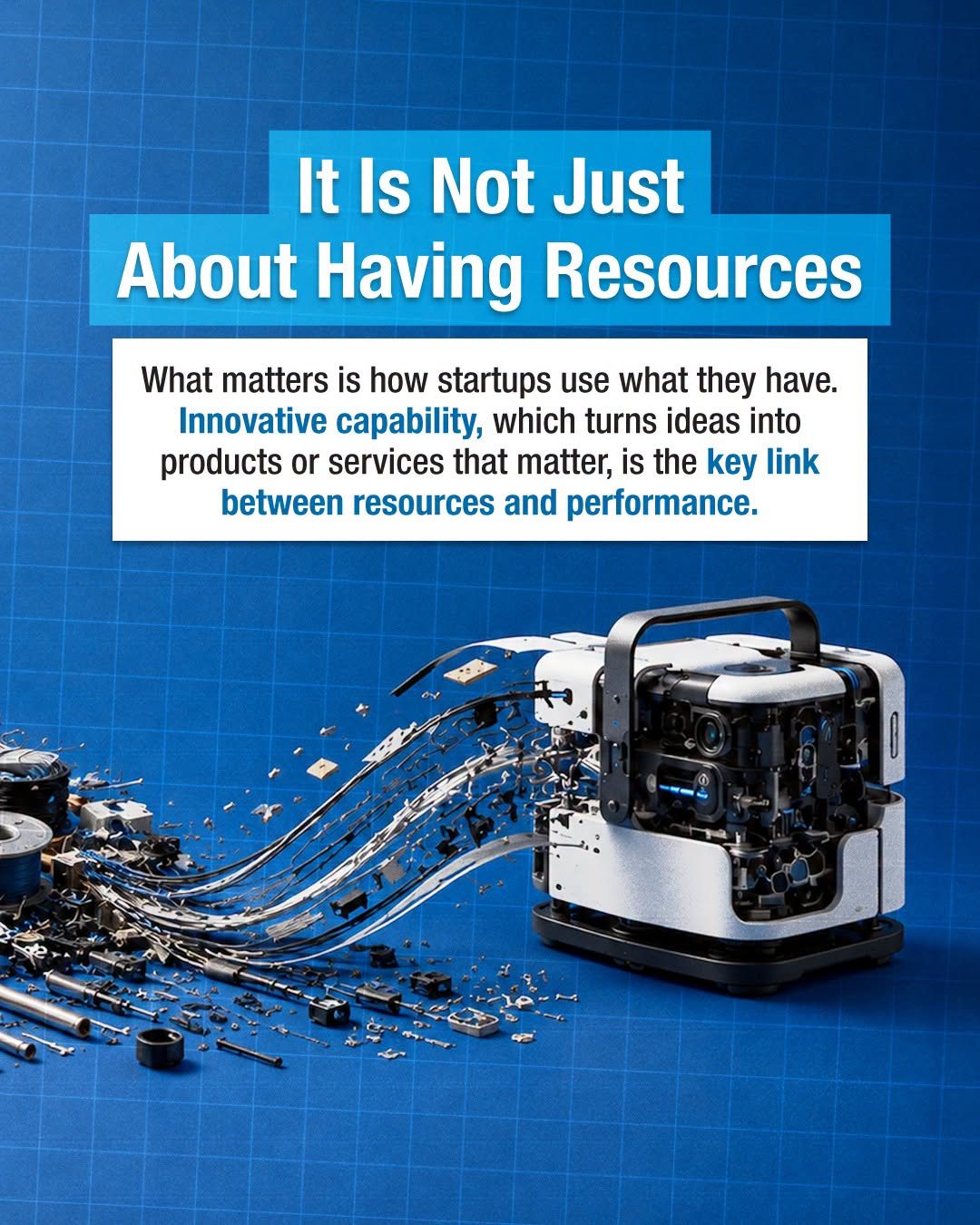
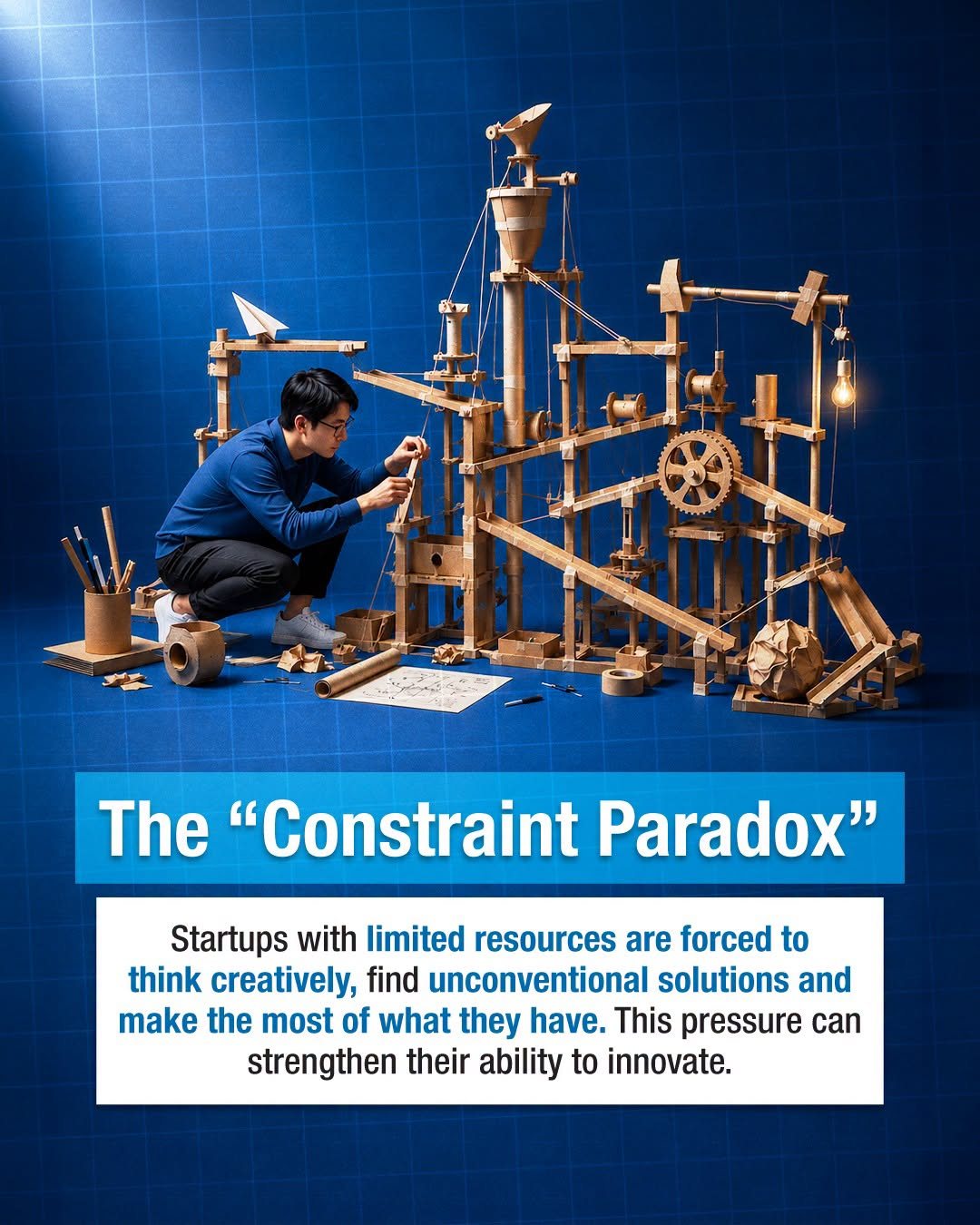
Article for a general readership with Ewilly J.Y. Liew and Andrei O.J. Kwok, from a survey of 196 Malaysian startups: startups with abundant resources often innovate less than those with fewer.
Work in this domain that also belongs to another domain.