About the symposium
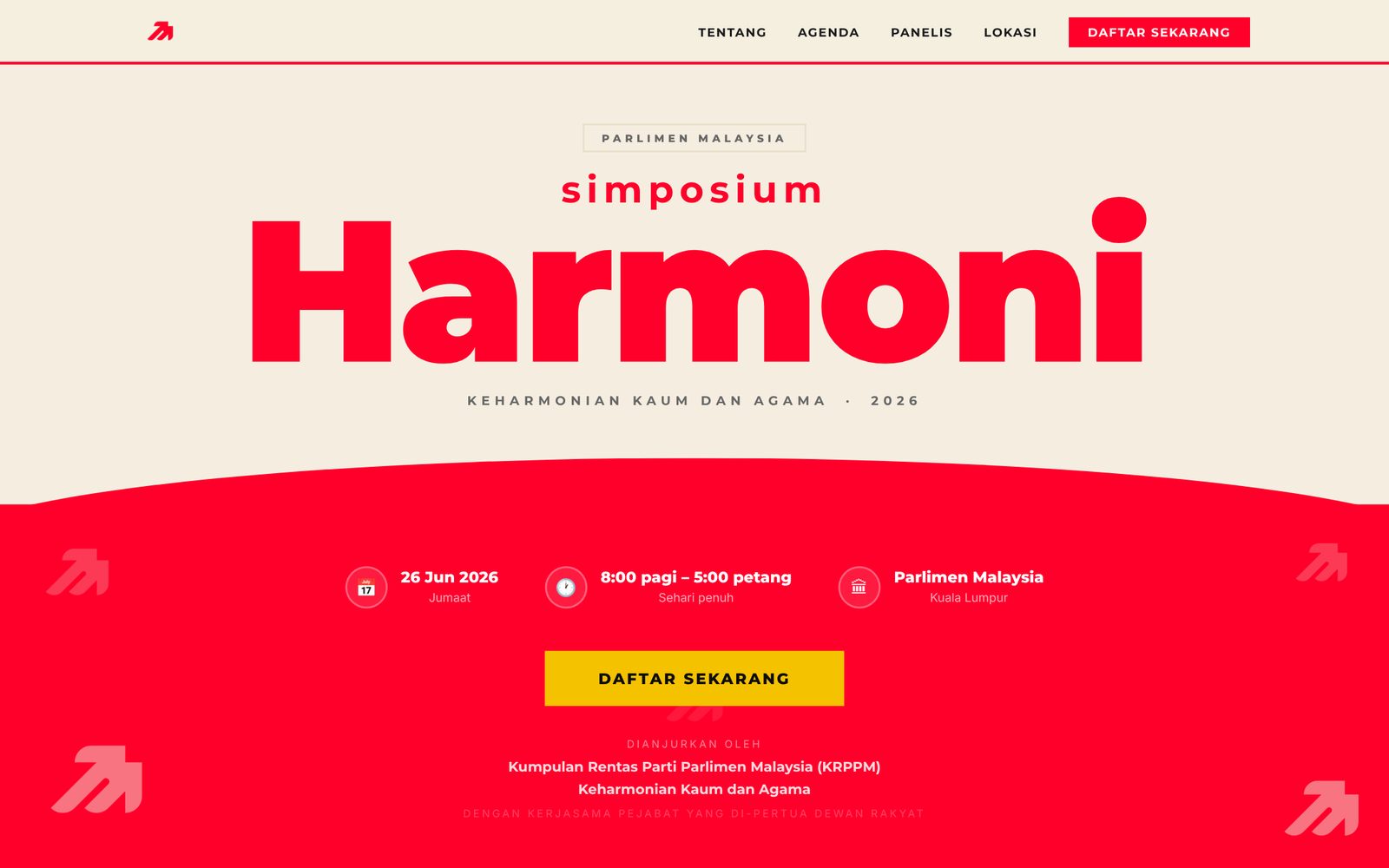
Simposium Harmoni 2026: Keharmonian Kaum dan Agama (Racial and Religious Harmony) was a full-day symposium at the Parliament of Malaysia on Friday 26 June 2026, with the theme “Building Bridges of Unity through Dialogue”. It was organised by the Parliamentary Cross-Party Group on Racial and Religious Harmony (KRPPM), in collaboration with the Office of the Yang di-Pertua of the Dewan Rakyat, with Architects of Diversity (AOD) Malaysia as secretariat.
The programme describes a plural Malaysia that keeps facing challenges in sustaining racial and religious harmony. The constitutional foundations and the values of the Rukun Negara remain the guide, but social media, digital technology, inequality and discrimination in several sectors call for a more comprehensive, inclusive and law-based approach. The symposium was a strategic forum for dialogue among policymakers, government, civil society and academia.
Objectives
- Identify the priorities of a legal reform agenda that secures harmony and equality between races and religions.
- Discuss new challenges in the era of social media and digital technology, including the spread of hatred and discrimination.
- Build bridges of cooperation among the parliamentary community, government, civil society, education and philanthropy.
- Produce policy recommendations and practical mechanisms as a reference for Parliament and ministries.
Programme
| Time | Session |
|---|
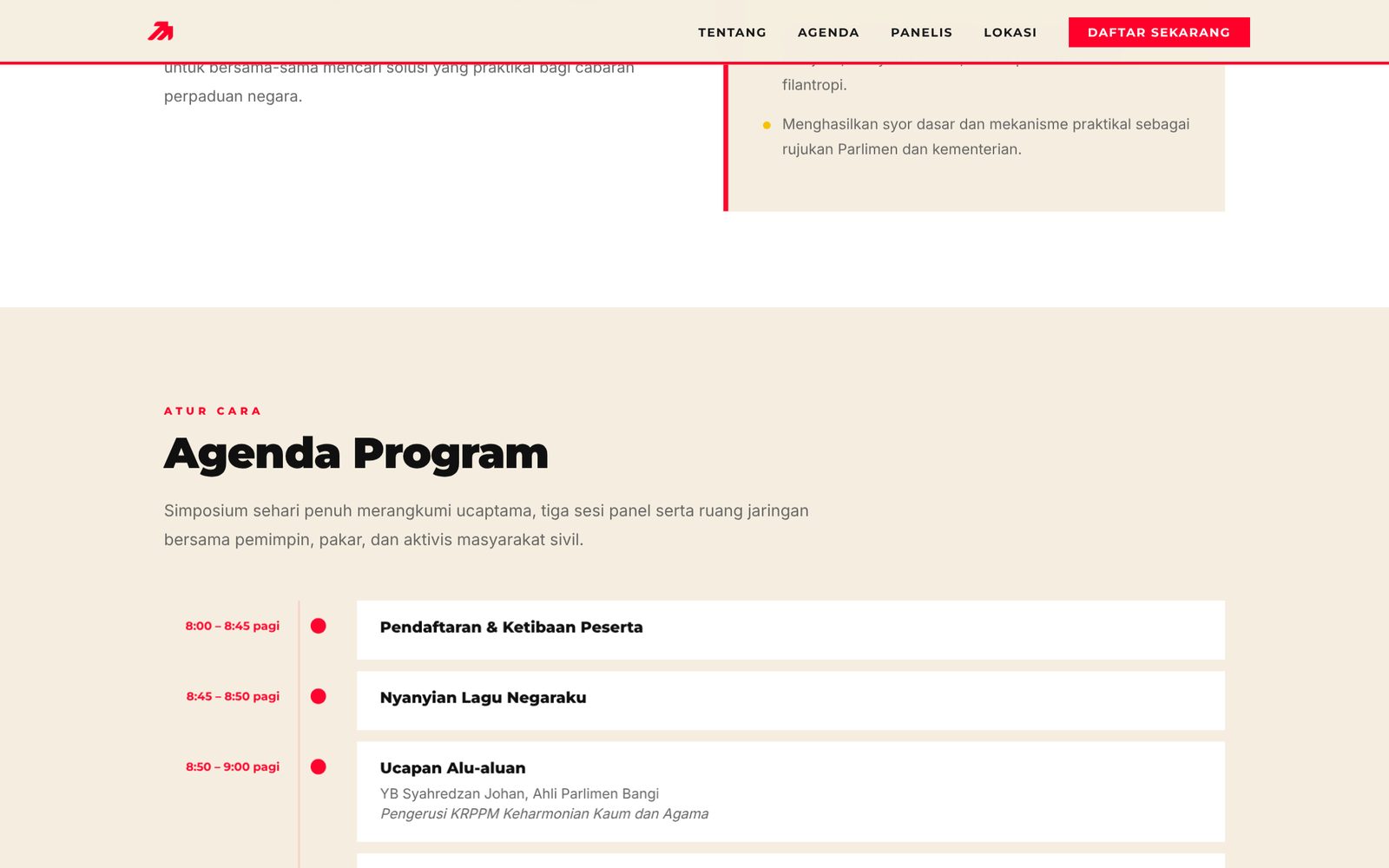
| 8:00 to 8:45am | Registration and arrival |
| 8:45 to 8:50am | Negaraku |
| 8:50 to 9:00am | Welcome address: YB Syahredzan Johan, Member of Parliament for Bangi and Chair of the KRPPM |
| 9:00 to 9:20am | Opening address: YB Tan Sri Dato’ Dr. Johari bin Abdul, Yang di-Pertua of the Dewan Rakyat |
| 9:25 to 9:45am | Keynote, “Harmony in Disagreement: Malaysian Realities and Hopes”: Prof. Emeritus Dato’ Dr. Abdul Rahman Embong, formerly Principal Fellow at IKMAS, UKM |
| 10:00 to 11:05am | Panel 1: Challenges to Freedom of Expression in Malaysia |
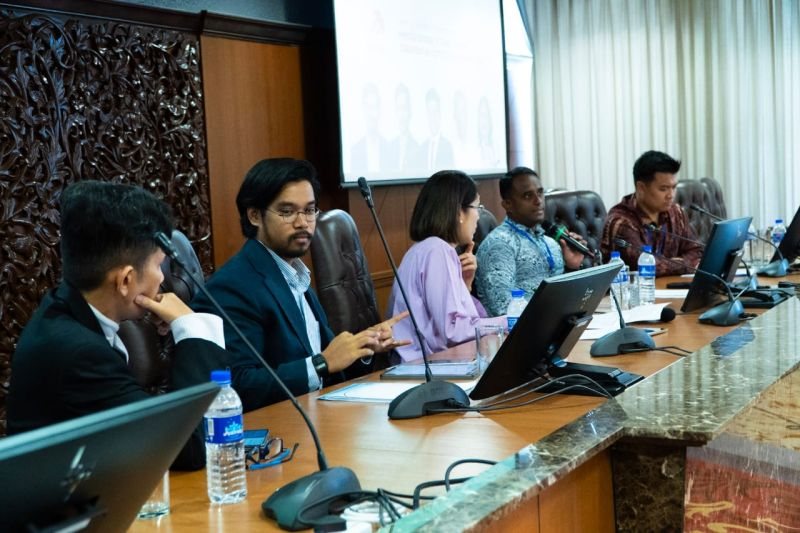
| 11:15am to 12:30pm | Panel 2: Social Media and Technology: The Challenges of Algorithms and Polarisation (my panel) |
| 2:45 to 4:00pm | Panel 3: Malaysia at 100: The Future of Unity |
| 4:10 to 4:40pm | Closing address: YB Datuk Aaron Ago anak Dagang, Minister of National Unity |
Panel 2: Social Media and Technology
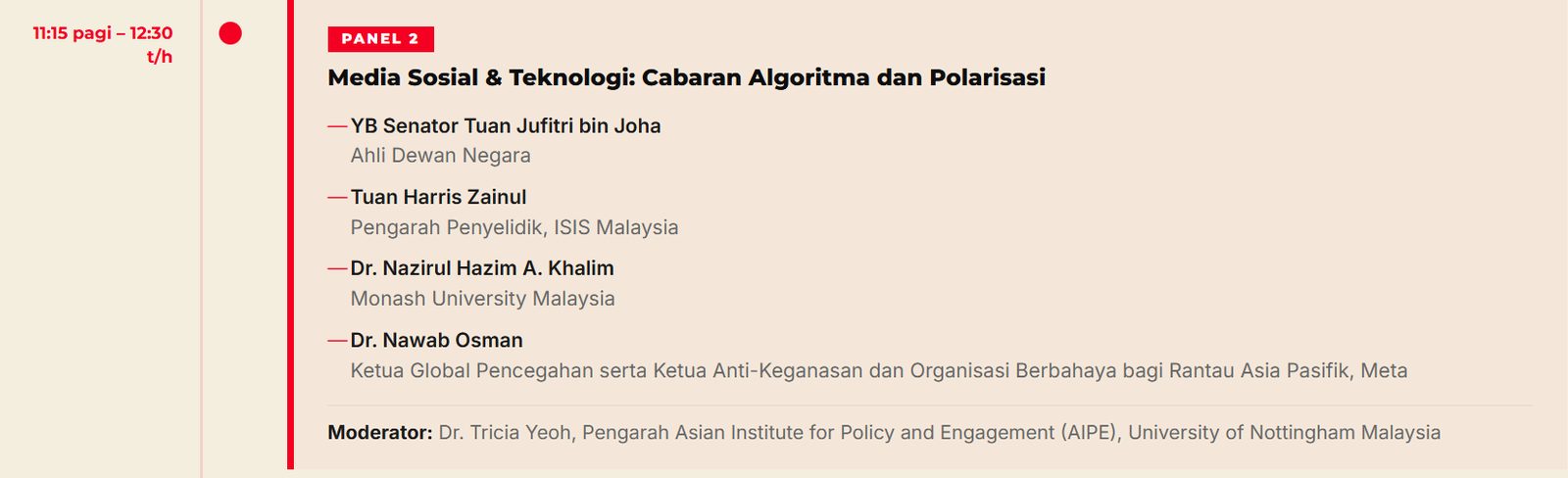
Panel 2, “Media Sosial & Teknologi: Cabaran Algoritma dan Polarisasi”, ran from 11:15am to 12:30pm. I presented findings from elections in the Philippines, Indonesia and Malaysia: during elections, reach and engagement rather than authenticity or reliability determine what spreads on social media. I recommended that platforms limit the amplification of harmful content, for example by slowing the sharing of posts beyond a threshold. Bernama, the national news agency, reported the findings.
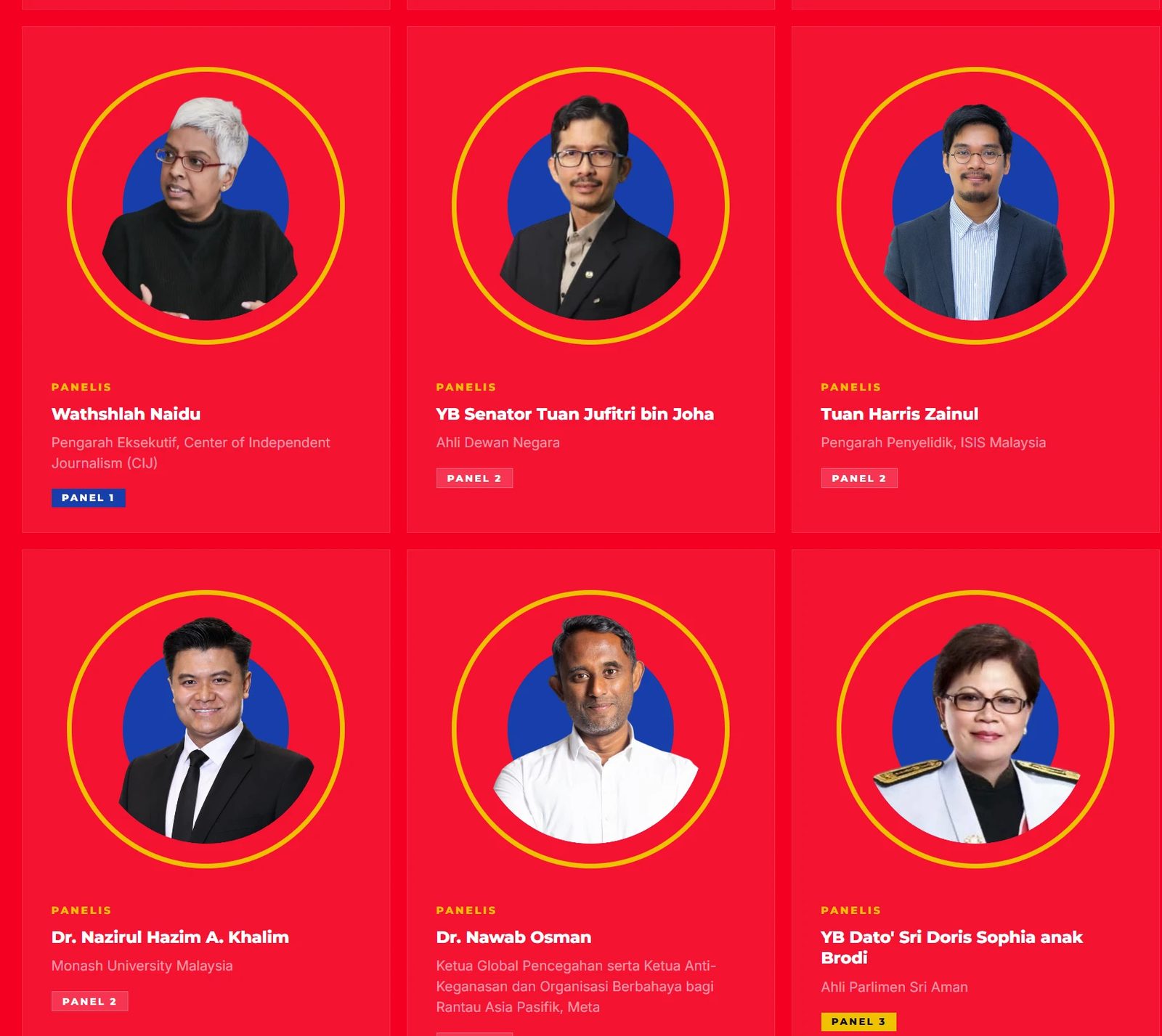
- YB Senator Tuan Jufitri bin Joha, Member of the Dewan Negara.
- Tuan Harris Zainul, Director of Research, ISIS Malaysia.
- Dr. Nazirul Hazim A. Khalim, Monash University Malaysia.
- Dr. Nawab Osman, Global Head of Prevention and Head of Counter-Terrorism and Dangerous Organisations for Asia Pacific, Meta.
- Moderator: Dr. Tricia Yeoh, Director of the Asian Institute for Policy and Engagement (AIPE), University of Nottingham Malaysia.
The other panels
- Panel 1, Challenges to Freedom of Expression in Malaysia: YB Tuan Lee Chean Chung (Member of Parliament for Petaling Jaya); Dr. Murni binti Wan Mohd Nor (IDFR); Wathshlah Naidu (Executive Director, Center for Independent Journalism). Moderator: Tuan Hj. Nazri Kahar, Senior Editor, Astro Awani.
- Panel 3, Malaysia at 100: The Future of Unity: YB Dato’ Sri Doris Sophia anak Brodi (Member of Parliament for Sri Aman); YB Dr. Halimah binti Ali (Member of Parliament for Kapar); Tan Sri Dato’ Sri Nazir Razak (Chairman, Yayasan Tun Razak); Tuan Jason Wee (Executive Director, Architects of Diversity Malaysia). Moderator: Tuan Aziff Azuddin, Senior Research Director, IMAN Research.
Outcome
The Ministry of National Unity’s programme page describes the symposium as an important forum for gathering ideas, opening mature dialogue and finding the best solutions to strengthen national unity. It records that freedom of expression, the influence of social media algorithms and the future of unity in the digital era were discussed, so that harmony continues to be a source of national strength.
Practical details
| Item | Detail |
|---|
| Date and time | Friday 26 June 2026, 8:00am to 5:00pm |
| Venue | Parliament of Malaysia, Jalan Parlimen, 50680 Kuala Lumpur (Briefing Room, Level 2, in the programme) |
| Organiser | Parliamentary Cross-Party Group on Racial and Religious Harmony (KRPPM) |
| In collaboration with | Office of the Yang di-Pertua of the Dewan Rakyat |
| Secretariat | Architects of Diversity (AOD) Malaysia |
| Capacity and fee | 150 participants; free, with meals and refreshments |
| Language | Bahasa Malaysia |
Sources: the symposium site (harmoni.aodmalaysia.org) and the programme page of the Ministry of National Unity. Titles are translated from Bahasa Malaysia.